
ap world unit 1 study guide
AP World Unit 1 Study Guide: An Overview (1200-1450)
Welcome to AP World History Unit 1! This period, 1200-1450, marks significant global connections.
Resources like YouTube reviews (xDkPq5KcbS4) and Galaxy.ai summaries offer comprehensive overviews.
Prepare to explore the tapestry of interactions shaping the world during this transformative era.
Unit 1 of AP World History, spanning 1200 to 1450, introduces a world increasingly interconnected. This era isn’t about isolated civilizations, but rather a “global tapestry” woven with threads of trade, technology, and cultural exchange. Understanding this interconnectedness is paramount to success in this unit.
Resources available, such as the comprehensive review found on YouTube (xDkPq5KcbS4), emphasize the need to move beyond Eurocentric perspectives. The period witnessed the flourishing of regional powers and the intensification of existing trade networks, most notably the Silk Roads and the Indian Ocean maritime system. These networks facilitated not only the exchange of goods, but also ideas, religions, and unfortunately, diseases.
Key to grasping this unit is recognizing the continuities and changes occurring across different regions. While some areas experienced relative stability, others underwent significant transformations due to factors like climate change, political upheaval, and the spread of new technologies. Galaxy.ai provides summarized insights into these key concepts. Prepare to analyze how these interactions shaped the world and laid the groundwork for the era of global exploration that followed. This introductory phase sets the stage for a deeper dive into specific empires, religions, and economic systems.
Key Concept 1.1: The Development of Agriculture and its Impact
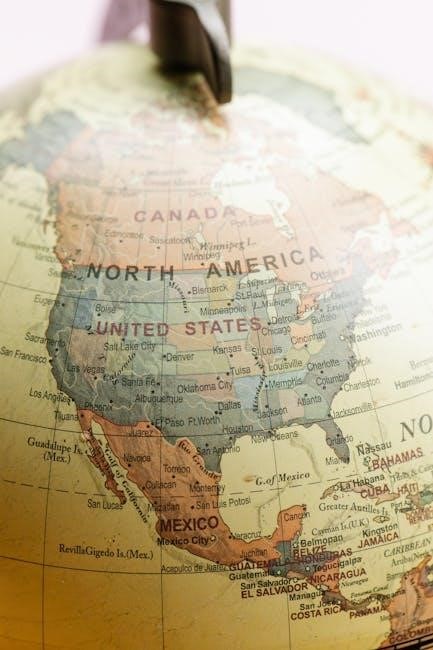
While seemingly foundational, agriculture’s continued development between 1200 and 1450 significantly shaped societies globally. It wasn’t simply about having agriculture, but rather innovations and adaptations that increased yields and supported growing populations. These advancements, however, weren’t uniform; different regions utilized diverse agricultural techniques suited to their environments.
The intensification of agricultural practices led to several key consequences. Increased food production supported population growth, which in turn fueled urbanization and specialization of labor. This created more complex social structures and the need for more sophisticated governance; However, agricultural expansion also had environmental impacts, including deforestation, soil erosion, and changes in water usage.

Understanding the link between agricultural surplus and societal development is crucial. Resources like the AP World History Unit 1 review (xDkPq5KcbS4) highlight this connection. Furthermore, consider how agricultural innovations influenced trade patterns – surplus production enabled exchange, while dietary staples shaped regional economies. Analyzing these impacts provides a foundational understanding for the rest of Unit 1, as agricultural developments underpinned many of the political, economic, and social changes of the period.
Key Concept 1.2: The Development of States and Empires
Between 1200 and 1450, the world witnessed the rise, expansion, and consolidation of numerous states and empires. These weren’t monolithic entities; they varied significantly in their political organization, economic systems, and cultural characteristics. Understanding these differences is key to grasping the complexities of the period.
Factors contributing to state formation included agricultural surpluses, technological innovations (like ironworking), and effective administrative structures. Empires often expanded through military conquest, but also through diplomacy, trade, and cultural influence. Maintaining control over vast territories required sophisticated systems of governance, taxation, and communication.
The AP World Unit 1 review (xDkPq5KcbS4) emphasizes the importance of identifying common characteristics of successful empires – strong central authority, efficient bureaucracy, and control of key trade routes. However, it’s equally important to recognize the internal challenges empires faced, such as rebellions, succession disputes, and economic instability. Examining the diverse strategies employed by states and empires to address these challenges provides valuable insight into the dynamics of power during this era. Consider how these empires interacted with each other, fostering both cooperation and conflict.
Empires and Their Characteristics (1200-1450)
The period from 1200 to 1450 saw the flourishing of several prominent empires, each exhibiting unique characteristics. The Mongol Empire, despite its initial brutality, facilitated unprecedented trade and cultural exchange across Eurasia. Its vastness demanded innovative administrative approaches, though long-term cohesion proved difficult.

In the Americas, the Inca Empire demonstrated remarkable engineering and centralized control, utilizing a complex system of roads and record-keeping (quipu). Simultaneously, the Aztec Empire expanded through military conquest and tribute collection, creating a highly stratified society. These empires, while powerful, faced internal tensions and vulnerabilities to external forces.
Across the Indian Ocean, powerful sultanates like the Delhi Sultanate and the Swahili city-states thrived on maritime trade. These entities often blended indigenous traditions with Islamic influences. European powers remained relatively limited in their global reach during this period, though nascent maritime exploration began to lay the groundwork for future expansion. Resources like the AP World Unit 1 review (xDkPq5KcbS4) highlight the importance of comparing and contrasting these empires, focusing on their political structures, economic foundations, and cultural achievements.
The Mongol Empire: A Case Study
The Mongol Empire (1209-1368) stands as a pivotal case study in AP World History Unit 1, demonstrating both destructive force and surprising cultural facilitation. Under Genghis Khan and his successors, the Mongols rapidly conquered a vast territory, stretching from East Asia to Eastern Europe. Their military success stemmed from superior horsemanship, archery, and strategic organization.
However, the Mongol impact wasn’t solely negative. The Pax Mongolica – or Mongol Peace – fostered increased trade along the Silk Roads, connecting East and West. This period saw a significant exchange of goods, ideas, and technologies, including gunpowder and the printing press. The Mongols were generally religiously tolerant, allowing diverse faiths to coexist within their empire.
Despite these benefits, the Mongol conquests resulted in widespread devastation and loss of life. The empire’s fragmentation into separate khanates ultimately led to its decline. Studying the Mongols provides valuable insight into the dynamics of empire building, cultural exchange, and the long-term consequences of conquest. Resources like the AP World Unit 1 review (xDkPq5KcbS4) emphasize the complex legacy of this influential empire.
Key Concept 1.3: The Spread of Religions and Cultural Traditions
Key Concept 1.3 focuses on the dynamic spread of religions and cultural traditions between 1200 and 1450. This era witnessed the continued expansion of major faiths – Islam, Buddhism, and Christianity – through various mechanisms, including trade, missionary activity, and conquest.
Islam’s spread was particularly notable, extending across North Africa, the Middle East, and into Southeast Asia via merchant networks and Sufi missionaries. Buddhism, especially its Mahayana branch, flourished along the Silk Roads, influencing East Asian cultures. Christianity expanded within Europe and, to a lesser extent, through missionary efforts in Africa and Asia.
Cultural exchange wasn’t limited to religion. Artistic styles, scientific knowledge, and philosophical ideas also diffused across regions. The Mongols, despite their initial destructiveness, inadvertently facilitated this exchange through the Pax Mongolica. Understanding these patterns of diffusion is crucial for grasping the interconnectedness of the world during this period. Resources like the AP World Unit 1 review (xDkPq5KcbS4) highlight these crucial developments.
Major Religions and Their Diffusion (Islam, Buddhism, Christianity)
Islam experienced significant expansion during 1200-1450, spreading from its Arabian origins across North Africa, into Spain, and eastward towards Southeast Asia. Trade routes, particularly the Indian Ocean network, were instrumental in its diffusion, carried by merchants and Sufi mystics. The establishment of powerful Islamic empires, like the Delhi Sultanate and the Mali Empire, further solidified its presence.
Buddhism, primarily Mahayana Buddhism, continued its spread along the Silk Roads, gaining prominence in China, Korea, and Japan. Buddhist monasteries served as centers of learning and cultural exchange, adapting to local traditions. Tibetan Buddhism also emerged as a distinct branch during this period.
Christianity, while facing challenges like the Black Death, maintained its stronghold in Europe; Missionary efforts extended its reach into Eastern Europe and parts of Africa, though with limited success compared to Islam and Buddhism. The Great Schism within Christianity also impacted its unity. Understanding these diffusion patterns, as highlighted in AP World Unit 1 reviews (xDkPq5KcbS4), is vital for comprehending the era’s cultural landscape.
Cultural Exchange and its Consequences
The period between 1200 and 1450 witnessed unprecedented cultural exchange facilitated by intensified trade networks like the Silk Roads and the Indian Ocean maritime system. This exchange wasn’t simply a transfer of goods; it involved the transmission of ideas, technologies, and religious beliefs.
Technological diffusion was significant. Chinese innovations like gunpowder, the compass, and printing spread westward, impacting European warfare, navigation, and scholarship. Mathematical concepts from India, including the concept of zero, were adopted by Islamic scholars and later transmitted to Europe;

However, cultural exchange also had negative consequences. The spread of diseases, most notably the Black Death, decimated populations across Asia, Europe, and North Africa. This pandemic profoundly impacted social structures and economic systems. Furthermore, cultural exchange sometimes led to conflict and the suppression of local traditions. Resources like AP World Unit 1 reviews (xDkPq5KcbS4) emphasize the complex interplay of benefits and drawbacks inherent in these interactions, shaping the global tapestry of the era.
Key Concept 1.4: Economic Systems and Trade Networks
Between 1200 and 1450, global economic systems were largely defined by robust trade networks. The Silk Roads facilitated exchange between East and West, carrying goods like silk, spices, and porcelain. Simultaneously, the Indian Ocean trade network flourished, connecting East Africa, Arabia, India, and Southeast Asia, driven by monsoon winds.
These networks weren’t solely about luxury goods. Bulk items like cotton, grain, and timber were also traded, supporting growing populations and urbanization. Economic specialization developed as regions focused on producing goods for export. This led to the rise of merchant classes and the development of financial instruments like bills of exchange to facilitate transactions.
The Mongol Empire, despite its initial destructiveness, inadvertently fostered trade by providing a period of relative peace and security along the Silk Roads – the Pax Mongolica. AP World Unit 1 resources (xDkPq5KcbS4) highlight how these interconnected systems created a more integrated global economy, though with varying degrees of participation and benefit for different regions.
The Silk Roads and Indian Ocean Trade
The Silk Roads, a network of overland routes, connected East Asia with the Mediterranean world. While silk was a key commodity, the exchange encompassed technologies, religious ideas (like Buddhism), and even diseases. Travel was arduous, relying on caravans and requiring significant logistical support. Central Asian nomads played a crucial role as intermediaries, facilitating trade and providing protection.
The Indian Ocean trade network, however, was arguably more extensive and impactful. Utilizing monsoon winds, ships transported goods across vast distances with greater efficiency. Key commodities included spices from Southeast Asia, textiles from India, and African gold. This maritime network fostered the growth of port cities like Melaka and Kilwa.

Both systems experienced a surge in activity during this period; The Pax Mongolica briefly boosted Silk Road trade, while innovations in shipbuilding and navigation enhanced Indian Ocean commerce. Resources like AP World Unit 1 reviews (xDkPq5KcbS4) emphasize that these weren’t isolated systems; they interacted, creating a complex web of global exchange.
Technological Innovations and Their Impact on Trade
Several key technological advancements dramatically reshaped trade networks between 1200 and 1450. In shipbuilding, the development of the lateen sail – borrowed from Indian Ocean traders – allowed ships to sail against the wind, enhancing navigation. Simultaneously, the astrolabe and improved compasses facilitated more accurate seafaring, particularly vital for the Indian Ocean trade.
On land, improvements in caravan organization and the use of horses and camels increased the efficiency of Silk Road travel. Paper money, originating in China, streamlined transactions and reduced the risks associated with transporting bulky metal coins. Furthermore, innovations in textile production, like the spinning wheel, increased the volume of goods available for trade.
These technologies weren’t confined to single regions; they diffused along trade routes, creating a cycle of innovation. AP World Unit 1 resources (xDkPq5KcbS4) highlight how these advancements lowered transportation costs, increased trade volume, and fostered greater cultural exchange. The resulting economic growth fueled the development of merchant communities and facilitated the spread of ideas.
Key Concept 1.5: Environmental Interactions

Between 1200 and 1450, human interaction with the environment had profound consequences. Agricultural expansion, while boosting food production, often led to deforestation and soil degradation. Intensive farming practices in some regions, like parts of Europe, depleted soil nutrients, necessitating new techniques or land abandonment.
The Little Ice Age, beginning around 1300, brought colder temperatures and altered weather patterns, impacting agricultural yields and contributing to famine. Simultaneously, increased urbanization led to pollution and resource depletion in cities. Deforestation for shipbuilding and fuel further exacerbated environmental strain.
Perhaps the most devastating environmental interaction of this period was the spread of the Black Death. While a biological event, its transmission was influenced by trade routes and climate conditions. AP World Unit 1 study materials emphasize that the plague dramatically reduced populations, leading to labor shortages and societal upheaval. This demonstrates how environmental factors and disease could reshape societies and economies.
Understanding these interactions is crucial for grasping the complexities of this era and the long-term consequences of human actions on the planet.
Environmental Impacts of Agricultural Expansion

Agricultural expansion between 1200 and 1450 significantly altered landscapes worldwide. The drive for increased food production led to widespread deforestation as forests were cleared for farmland, particularly in regions like Europe and China. This deforestation contributed to soil erosion, reducing land fertility and impacting water quality.
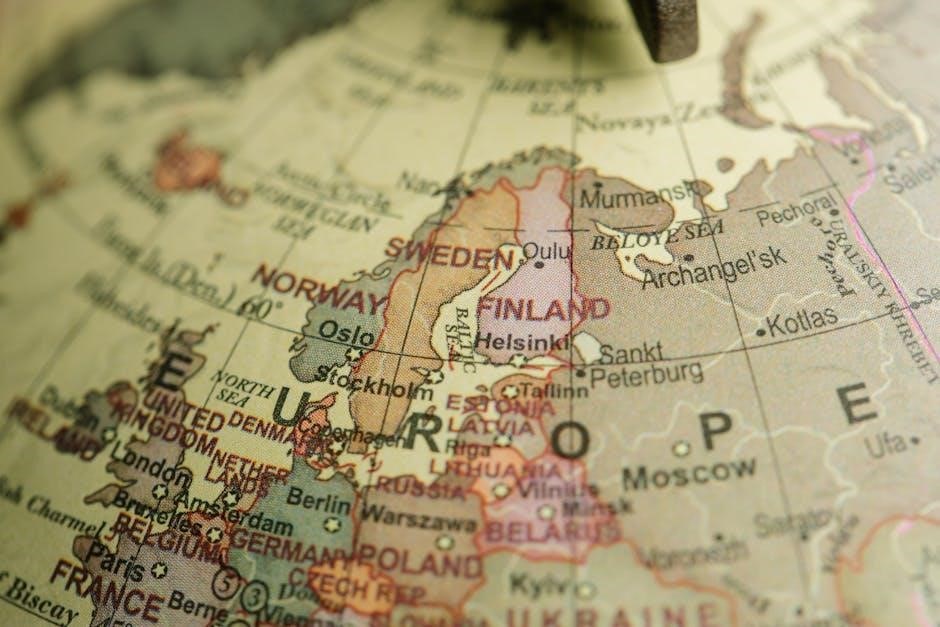
Intensive farming techniques, such as crop rotation and terracing, were developed to mitigate some of these effects, but often proved insufficient. Overgrazing by livestock also contributed to land degradation, especially in pastoral societies. The introduction of new crops, while increasing yields, sometimes disrupted existing ecosystems.
Furthermore, irrigation systems, essential for agriculture in drier climates, could lead to salinization of the soil, rendering it unproductive over time. The demand for agricultural land also pushed settlements into less suitable areas, increasing the risk of environmental disasters.
These environmental changes weren’t isolated; they interconnected with demographic shifts and economic developments, shaping the course of history during this period. Studying these impacts is vital for a comprehensive understanding of AP World Unit 1.
Demographic Changes and Disease (The Black Death)
The period between 1200 and 1450 witnessed significant demographic shifts, most notably due to the devastating Black Death (bubonic plague). Originating in Asia, the plague spread along trade routes, reaching Europe and North Africa by the mid-14th century. This pandemic resulted in an estimated 30-60% mortality rate in Europe, causing immense social and economic disruption;
Population decline led to labor shortages, empowering peasant classes and contributing to the decline of feudalism. Land became more readily available, altering agricultural practices and land ownership patterns. The psychological impact of the plague was profound, fostering religious fervor and questioning established authority;
Beyond the Black Death, other diseases like smallpox and measles also contributed to population fluctuations. Improved trade networks, while facilitating economic exchange, simultaneously accelerated the spread of infectious diseases. Increased urbanization also created conditions conducive to disease transmission.
Understanding these demographic changes and the impact of disease is crucial for grasping the complexities of this era. The Black Death wasn’t merely a biological event; it was a catalyst for profound societal transformations.