free loom beading patterns pdf
Loom beading offers a fantastic entry point with readily available free PDF patterns, ideal for both novices and experienced crafters.
Numerous resources, like Issuu and GalaFitz, showcase diverse designs – from simple bracelets to intricate pen wraps – accessible for instant download.
What is Loom Beading?
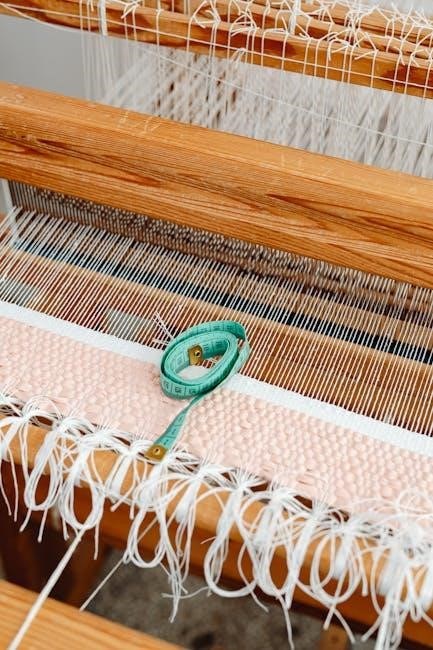
Loom beading is a captivating technique utilizing a simple frame – the loom – to weave beads into stunning patterns. Unlike off-loom techniques, a loom maintains consistent tension, resulting in even, high-quality beadwork.
The beauty lies in its accessibility; many beginners start with free loom beading patterns available as PDF downloads. These patterns, found on platforms like Issuu and GalaFitz, provide detailed instructions and color charts.
These resources empower crafters to create bracelets, pen wraps, and more, fostering creativity and skill development. The structured nature of loom work makes it a rewarding craft, even for those new to beadwork.
History of Loom Beading
Loom beading boasts a rich history, with origins tracing back to ancient civilizations who utilized similar techniques for adornment and storytelling. While pinpointing the exact origins is difficult, evidence suggests its practice for centuries across various cultures.
The modern resurgence of interest is fueled by the accessibility of resources, including a wealth of free loom beading patterns in PDF format. Platforms like Issuu showcase historical influences alongside contemporary designs.
The availability of these patterns democratizes the craft, allowing enthusiasts to connect with a tradition while exploring innovative creations. This blend of history and accessibility makes loom beading a vibrant art form.
Benefits of Loom Beading
Loom beading offers numerous benefits, extending beyond creating beautiful jewelry; It’s a remarkably meditative and relaxing hobby, fostering mindfulness and reducing stress through repetitive motions. The accessibility of free loom beading patterns in PDF format lowers the barrier to entry, making it ideal for beginners.
Furthermore, it’s a cost-effective craft, especially utilizing readily available online resources.
The creative possibilities are endless, allowing for personalized designs and unique gifts. Platforms like GalaFitz provide instant downloads, empowering crafters to quickly realize their artistic visions and enjoy the rewarding process.
Essential Tools and Materials
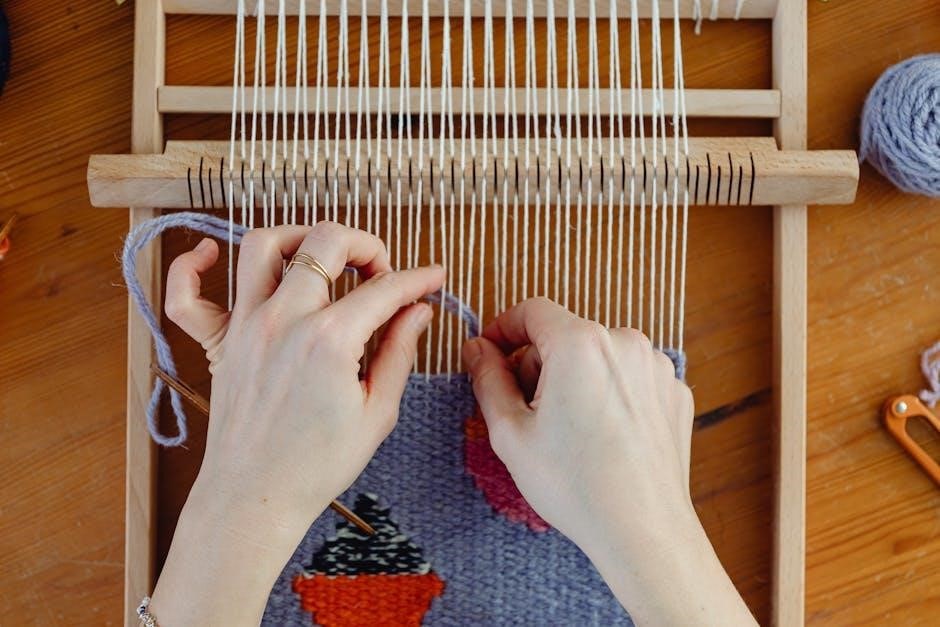
Free loom beading patterns (PDF) require a bead loom, warp thread, beads, needles, and scissors – a Beadsmith kit is a great starting point!
Bead Loom Types
Bead looms, essential for utilizing free loom beading patterns (PDF), come in various designs, though the core principle remains consistent. While all share a basic structure, subtle differences exist between models. For beginners exploring downloadable patterns, a kit is highly recommended.
The Beadsmith Bead Loom Kit for Beginners is frequently cited as an excellent starting point, providing all necessary components. These looms typically feature adjustable warp posts to accommodate different project widths. More advanced looms may offer features like ratchet mechanisms for increased tension control, beneficial when tackling complex patterns found in free PDF resources.
Warp Thread Selection
Choosing the right warp thread is crucial when working with free loom beading patterns (PDF). The warp thread forms the foundation of your project, so strength and minimal stretch are vital. Nymo is a popular choice, known for its durability and ability to withstand tension during beading.
Consider the bead size specified in your chosen PDF pattern; the warp thread must be strong enough to support the weight. Thicker threads are suitable for larger beads, while finer threads work well with seed beads. Proper warp tension, achieved with careful selection, ensures even beading and prevents pattern distortion.

Bead Choices for Loom Beading
When utilizing free loom beading patterns (PDF), bead selection significantly impacts the final result. Seed beads, particularly size 11/0, are commonly used due to their versatility and availability. However, patterns may call for varying sizes – check the PDF carefully!
Japanese seed beads, like Miyuki Delica beads, are prized for their uniformity in size and shape, leading to cleaner, more professional-looking weaves. Experiment with different finishes – matte, metallic, or iridescent – to add visual interest. Consider the color chart within the PDF to accurately replicate the design.
Other Necessary Tools (Needles, Scissors, etc.)
Alongside a loom and warp thread, several tools enhance the free loom beading patterns (PDF) experience. A beading needle, typically size 10 or 12, is crucial for threading beads efficiently. Fine-tipped scissors are essential for precise thread trimming.
A bead scoop simplifies bead handling, while a bead mat prevents rolling. The Beadsmith Bead Loom Kit for Beginners often includes these basics. Consider a thread conditioner to reduce fraying and improve thread glide. Proper tools elevate the crafting process, ensuring successful completion of your chosen PDF pattern.
Understanding Loom Beading Patterns
Free loom beading patterns (PDF) utilize word charts and color schemes for guidance. Deciphering symbols and abbreviations unlocks intricate designs for beautiful beaded creations.
Reading Word Charts
Word charts, commonly found in free loom beading patterns (PDF), present a row-by-row guide to bead placement. Each line represents a pass with the needle, and letters denote specific bead colors.
Understanding this system is crucial for accurate replication of the design. For instance, ‘R’ might signify red beads, while ‘B’ indicates blue. These charts eliminate the need for complex color graphs, making patterns accessible to beginners.
Many free resources, like those from GalaFitz, provide patterns with both word and color charts, offering flexibility for different learning styles. Careful attention to the chart’s direction and letter sequence ensures a successful project.
Decoding Color Charts
Color charts, frequently accompanying free loom beading patterns (PDF), visually represent bead colors using symbols or shaded squares. Each color is assigned a unique identifier, simplifying the beading process.
These charts are particularly helpful for complex designs with numerous color changes. They provide an immediate visual reference, reducing the chance of errors. Resources like GalaFitz often include both color and word charts for clarity.
Successfully interpreting these charts requires matching the chart’s symbols to your chosen bead colors. Consistent color referencing is key to achieving the intended pattern outcome, ensuring a beautiful finished piece.
Pattern Symbols and Abbreviations
Free loom beading patterns (PDF) often utilize symbols and abbreviations to condense instructions. Common symbols denote bead colors, while abbreviations streamline weaving techniques. Understanding these is crucial for accurate pattern following.
For example, a chart might use “B” for brick stitch or numbers to represent specific bead colors. Word charts, frequently paired with color charts, spell out bead sequences. Resources like those found on Issuu demonstrate this practice.
A pattern key is essential; it deciphers all symbols and abbreviations used. Familiarizing yourself with these conventions unlocks the pattern’s full potential, leading to successful loom beading projects.

Free Loom Beading Patterns: Bracelets
Free PDF bracelet patterns abound online, catering to all skill levels. GalaFitz and MariVirra offer downloadable designs, perfect for beginners and advanced beaders alike!
Simple Beginner Bracelet Patterns (PDF)
Starting with loom beading is incredibly accessible thanks to a wealth of free PDF patterns designed specifically for beginners. These patterns typically feature straightforward designs, utilizing basic weaving techniques and limited color palettes.
Resources like GalaFitz provide instant downloadable PDFs, often including detailed word charts and color schemes, making the process easy to follow. Expect designs focusing on simple stripes or repeating geometric shapes.
These introductory patterns are excellent for mastering fundamental skills like warping the loom, maintaining consistent tension, and securing thread ends. They build confidence and prepare you for more complex projects.
Intermediate Bracelet Designs (PDF)
Stepping up from beginner patterns, intermediate free PDF loom beading designs introduce more complex weaving techniques and intricate colorwork. Expect to encounter patterns incorporating multiple bead colors and potentially basic geometric motifs.
These designs often require a slightly greater understanding of reading word charts and interpreting color schemes. You might find patterns featuring chevron patterns, simple floral elements, or more elaborate stripe combinations.
While still accessible, these projects demand increased attention to detail and consistent tension. They serve as a bridge towards advanced techniques, building skills in pattern interpretation and execution.
Advanced Bracelet Patterns (PDF)
Advanced loom beading patterns, often available as free PDF downloads, challenge beaders with complex designs and sophisticated techniques. These patterns frequently incorporate intricate geometric shapes, detailed pictorial motifs, or innovative color blending.
Expect to encounter patterns utilizing advanced weaving methods like brick stitch or variations on the basic loom weave. Reading and accurately interpreting complex word charts and color schemes is crucial.
These projects demand precision, patience, and a strong understanding of bead loom principles. They are ideal for experienced beaders seeking to refine their skills and create truly stunning, unique jewelry pieces.
Free Loom Beading Patterns: Beyond Bracelets
Free PDF patterns expand beyond bracelets, offering designs for pen wraps, pencil covers, and even earrings and necklaces, broadening creative possibilities.
Pen Wraps and Pencil Covers (PDF)
Loom beading extends beautifully to functional accessories like pen wraps and pencil covers, and thankfully, numerous free PDF patterns are available online. These projects are excellent for utilizing smaller bead quantities and mastering consistent tension.
GalaFitz, for example, provides a diverse collection of loom bead patterns specifically for these items, offering both classic and modern designs. These patterns typically include detailed color charts and word charts, making them accessible to beaders of all skill levels.
Downloading these PDFs allows for convenient, offline access to instructions, enabling you to bead at your own pace. They represent a fantastic way to practice techniques and create personalized stationery!
Loom Beaded Earrings (PDF)
Loom beading allows for the creation of stunning, lightweight earrings, and finding free PDF patterns to guide you is surprisingly easy! Many online resources cater to jewelry makers seeking unique designs. While dedicated earring patterns are less prominently featured than bracelets, adaptable designs abound.
Search terms like “loom bead earring pattern PDF” will uncover options on platforms like Etsy (often with free samples) and beading forums. You can modify existing bracelet patterns to suit earring dimensions, focusing on smaller, symmetrical motifs.
Remember to incorporate appropriate earring findings when finishing your projects for comfortable and secure wear.
Loom Beaded Necklaces (PDF)
Loom beading opens doors to crafting beautiful necklaces, and thankfully, free PDF patterns are available to inspire your creations! While comprehensive necklace patterns might be less common than bracelet designs, resourceful beaders can adapt existing patterns or combine smaller motifs.
Explore online beading communities and websites; often, members share their designs or links to free resources. Consider creating a modular design – weaving several smaller loom-beaded pieces and then connecting them with chain or cord.
Remember to factor in weight and clasp selection for comfortable wear when designing your necklaces.

Loom Beading Techniques
Mastering basic techniques like warping and the fundamental weave is crucial, even when utilizing free PDF patterns for projects.
Warping the Loom
Warping is the foundational step in loom beading, establishing the vertical threads upon which beads are woven. Even when utilizing free PDF patterns, a correctly warped loom is essential for even tension and a successful project.
Begin by securing the warp thread to the loom, ensuring it’s taut but not overly stretched. Consistent spacing between warp threads is vital; patterns often dictate the required density.
Many online tutorials demonstrate warping techniques, complementing the visual guidance offered in free PDF patterns. Proper warping prevents issues like uneven beading or broken threads later on, ultimately enhancing the final piece.
Beading Techniques: Basic Weave
The basic weave is the cornerstone of loom beading, and mastering it unlocks a world of possibilities, even with free PDF patterns. This technique involves passing the needle and thread over and under the warp threads, securing each bead in a consistent row.
Many free PDF patterns for beginners focus on this fundamental weave, providing clear instructions and color charts. Maintaining consistent tension is crucial for a neat, even finish.
Online resources and video tutorials supplement these patterns, demonstrating the correct needle angle and thread path. Practice this basic weave, and you’ll be well-equipped to tackle more complex designs!
Advanced Beading Techniques (Brick Stitch, etc.)
Once comfortable with the basic weave, explore advanced techniques like brick stitch, offering textured and visually striking results. While free PDF patterns for these are less common, they exist for dedicated searchers!
Brick stitch creates a staggered, brick-like appearance, ideal for intricate designs. These patterns often require more precise bead placement and thread management. Resources like Beadaholique can guide you through the process.
Experimenting with different bead sizes and colors elevates your projects. Though 3D beading patterns are scarce, mastering brick stitch opens doors to creative exploration!
Finding More Free Patterns Online
Free loom beading PDF patterns abound on websites, social media groups, and online marketplaces. Explore Issuu, GalaFitz, and forums for inspiration!
Websites Offering Free PDF Patterns
Numerous online platforms generously provide free loom beading PDF patterns, catering to all skill levels. Issuu hosts a wealth of downloadable resources, including comprehensive guides like “Loom Beading Patterns & Techniques” by Ann Benson, offering patterns, techniques, and finishing instructions.
GalaFitz is another excellent source, boasting a vast collection of loom bead patterns specifically for bracelets and pen wraps. These patterns come with detailed color and word charts, making them perfect for beginners and seasoned beaders alike.
Keep an eye out for individual beading blogs and websites, as many designers share free patterns to promote their work and build a community. Regularly checking these sources will unveil a continuous stream of creative possibilities.
Social Media Groups and Forums
Social media platforms and dedicated beading forums are treasure troves for free loom beading patterns in PDF format. Facebook groups centered around bead weaving often feature members sharing their own designs or linking to free resources available elsewhere on the web.
Online forums, like those found on beading-specific websites, provide a space for enthusiasts to exchange patterns, ask questions, and offer support. These communities are invaluable for discovering hidden gems and gaining inspiration.
Pinterest boards dedicated to loom beading are also excellent sources, often curating links to free PDF patterns from various websites and blogs. Active participation in these groups can significantly expand your pattern library.
Online Marketplaces for Patterns
While primarily known for paid patterns, online marketplaces like Etsy occasionally host sellers offering free loom beading patterns in PDF format as promotional items or lead magnets. Searching specifically for “free loom beading pattern PDF” within these platforms can yield results.
However, be mindful of copyright and usage rights when downloading free patterns from marketplaces. Some designers may offer limited-time freebies or samples of larger pattern collections.
Additionally, checking designer’s individual shops on these platforms can sometimes reveal free resources linked in their shop announcements or profile descriptions.
Troubleshooting Common Issues
Free PDF loom beading patterns can sometimes contain errors; carefully review charts before starting, and compare with completed project photos online.
Broken Warp Threads
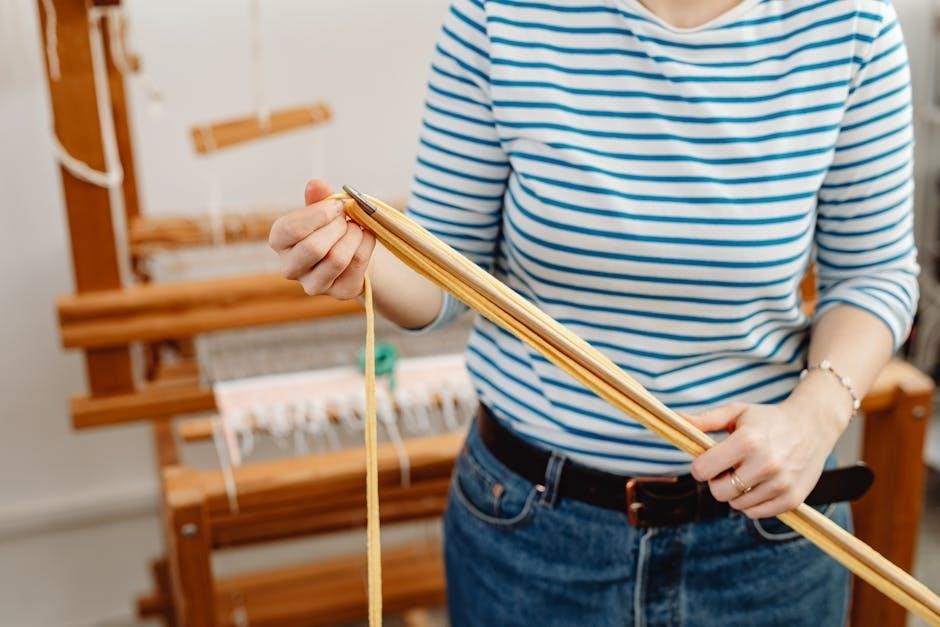
Broken warp threads are a common frustration when using free loom beading patterns, especially for beginners. Maintaining consistent tension is crucial; too tight or too loose increases breakage risk. When a warp thread snaps, don’t panic! Carefully tie a new thread, ensuring a secure knot close to the break.
Consider using a stronger warp thread material if breakage is frequent. Some beaders recommend C-Lon or Nymo size D for durability. Regularly inspect your warp threads during the beading process to catch potential breaks before they happen, saving time and frustration. Remember, patience is key!
Uneven Beading
Uneven beading can occur when following free loom beading patterns, often stemming from inconsistent tension; Ensure each bead sits snugly against its neighbor, avoiding gaps or overlaps. Maintaining a uniform bead path is vital for a polished finish.

Check your beading needle size; a needle too large can create spacing issues; Regularly assess your work under good lighting to identify inconsistencies early on. Gently nudge beads into alignment as you go. Practice makes perfect – consistent technique will minimize unevenness over time, resulting in beautiful, professional-looking pieces.
Pattern Errors
When utilizing free loom beading patterns in PDF format, encountering errors is possible. Carefully scrutinize word charts and color schemes before starting, comparing them to completed project images if available. Discrepancies might involve incorrect bead counts or mislabeled colors.
Don’t hesitate to cross-reference patterns from multiple sources. If a pattern seems illogical, pause and reassess. Experienced beaders often share corrections in online forums or social media groups. Adapting a pattern based on your understanding is acceptable, but document changes for future reference.

Finishing Your Loom Beaded Projects
Free loom beading patterns often require securing ends and adding clasps. Proper finishing ensures durability and a professional look for your beautiful creations!
Securing the Ends
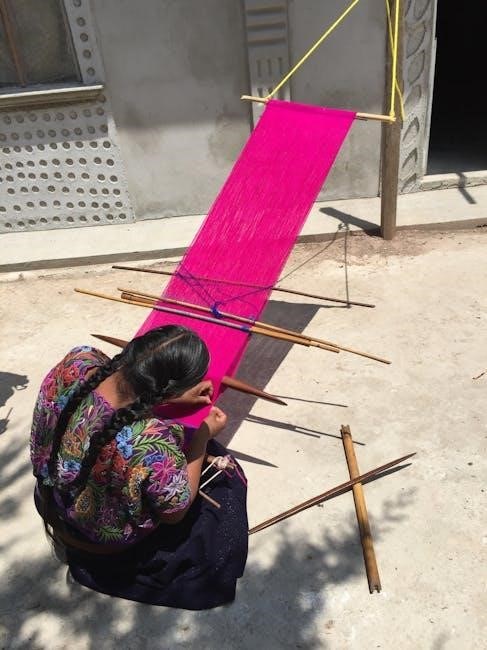
Securing the ends of your loom-beaded projects is crucial for longevity, especially when utilizing free loom beading patterns PDF downloads. After completing your weave, carefully thread the warp threads back through several rows of beads using a needle.
This creates a secure anchor. Trim the excess warp thread close to the beads, avoiding any visible ends. For extra security, a tiny drop of clear craft glue can be applied to the thread ends before trimming.
Remember, a well-finished piece, even from a free pattern, demonstrates attention to detail and ensures your beautiful work lasts!
Adding Clasps and Findings
Adding clasps and findings transforms your completed loom work – often started with free loom beading patterns PDF – into wearable art. Select clasps and findings that complement the beadwork’s style and weight. Jump rings are essential for connecting components.
Use pliers to carefully open and close jump rings, ensuring a secure connection. Consider using bead tips to reinforce the ends where the clasp attaches, providing extra durability.
Experiment with different clasp types – lobster, toggle, or magnetic – to find the perfect fit and finish for your unique creation!
Blocking and Shaping
Blocking and shaping refines your loom-beaded pieces, often begun with free loom beading patterns PDF, ensuring a professional finish. This process involves gently manipulating the beadwork to achieve the desired form and eliminate any unevenness.
Lightly mist the back of the beadwork with water, then pin it to a soft surface, like a towel-covered board, shaping it as needed. Allow it to dry completely before removing the pins.
For curved designs, use gentle curves when pinning. Blocking enhances drape and overall aesthetic appeal, elevating your handmade jewelry!
Resources for Further Learning
Explore books by Ann Benson and online courses to expand skills beyond free PDF patterns. Kits, like Beadsmith’s, offer beginner-friendly supplies!
Books on Loom Beading
Delving into published books provides a structured learning experience, complementing the wealth of free loom beading patterns PDF resources available online. Ann Benson’s work is frequently cited as an excellent starting point for those eager to master the craft.
While free patterns offer immediate gratification and project ideas, books often detail the foundational techniques with greater depth. They cover warping the loom, understanding different weave structures like brick stitch, and troubleshooting common issues.
Furthermore, books can inspire creativity beyond readily available designs, encouraging you to adapt and create your own unique patterns, building upon the skills honed through practice with free PDF guides.
Online Courses and Tutorials
Supplementing free loom beading patterns PDF downloads with online learning resources accelerates skill development. Numerous platforms host tutorials catering to all levels, from absolute beginners to advanced bead weavers.
These courses often provide visual demonstrations of techniques like warping the loom and executing various beading stitches, clarifying concepts that might be challenging to grasp from static PDF instructions alone.
Beadaholique, for example, offers comprehensive guides, while social media groups and forums facilitate peer-to-peer learning and pattern sharing, enhancing the experience of utilizing free patterns.
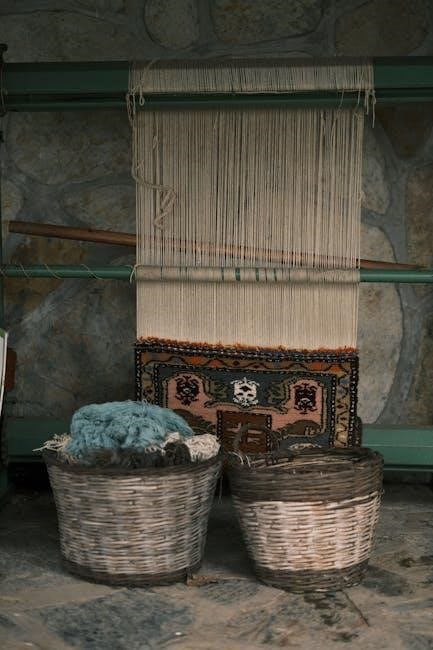
Bead Loom Kits for Beginners
Starting with a bead loom kit alongside free loom beading patterns PDF simplifies the initial learning curve. Kits, like the Beadsmith’s beginner option, typically include a loom, warp thread, and sometimes even a basic needle – providing essential tools in one package.
These kits are designed to be user-friendly, often accompanied by introductory instructions that complement the visual guidance found in free PDF patterns.
Utilizing a kit alongside downloadable patterns allows beginners to immediately practice techniques, building confidence and proficiency as they explore diverse designs.