
polaroid snap operating instructions
Polaroid Snap offers instant gratification, blending digital convenience with classic instant film aesthetics; detailed manuals and the Polaroid Print App enhance usability.
What is the Polaroid Snap?
The Polaroid Snap is a compact digital camera designed for instant photo printing, utilizing Zero Ink (ZINK) technology. It captures images digitally and then prints them directly onto ZINK paper, offering a blend of modern convenience and retro charm. This camera allows for quick, shareable prints without the need for ink cartridges, simplifying the entire process. Downloadable apps further expand its functionality, offering editing options and connectivity.
Key Features and Benefits
Key features include ZINK printing – no ink needed! – a user-friendly interface, and various photo capture modes like black & white and vintage. Benefits encompass instant sharing of physical photos, smartphone connectivity via Bluetooth through the Polaroid Print App, and simple operation. Firmware updates ensure optimal performance, while its compact size makes it highly portable for capturing and printing memories on the go.
Getting Started with Your Polaroid Snap
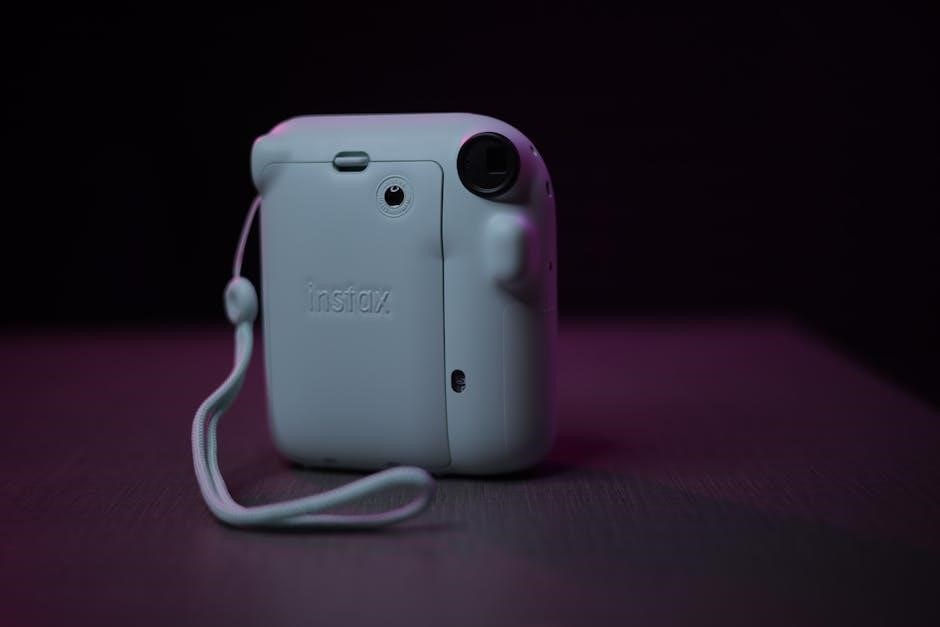
Begin by unboxing, charging the camera, and correctly inserting ZINK paper with the shiny side up; follow the quick start guide for initial setup.
Unboxing and Components
Upon opening your Polaroid Snap, carefully inspect the contents. You should find the camera itself, a ZINK paper pack (typically 20 sheets), a micro-USB charging cable, and the user manual. Ensure all components are present and undamaged. The packaging may also include quick start guides for immediate use. Familiarize yourself with each part before proceeding to charging and paper loading, referencing the included documentation for visual aids and detailed descriptions of each component’s function.
Charging the Battery
Before first use, fully charge your Polaroid Snap. Connect the included micro-USB cable to the camera’s charging port and a USB power source. The indicator light will illuminate, typically red while charging and turning off or changing color (often green) when complete. Charging time varies, but allow several hours for a full charge. A fully charged battery provides a reasonable number of prints and shooting sessions; refer to the manual for specific battery life estimates.
Inserting the ZINK Paper
Load ZINK paper with the shiny side facing up and the barcode facing down into the paper tray. Ensure the paper is aligned correctly before closing the tray door securely. The camera is designed to detect the ZINK paper automatically. Incorrect paper loading can cause printing errors or blank prints; consult the manual for troubleshooting. Only use compatible ZINK paper for optimal results.
Understanding the Camera Interface
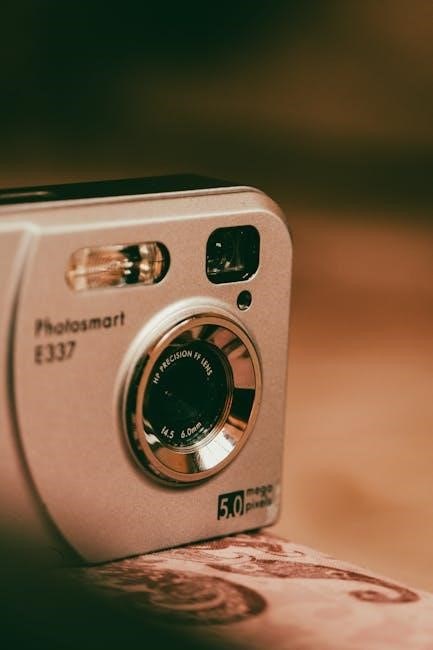
The LCD screen functions as a viewfinder, displaying capture modes and settings; utilize the power button and mode selection for optimal operation and control.
Power Button and Indicator Lights
Polaroid Snap’s power button initiates camera functions; a solid indicator light signifies power on, while flashing indicates activity like printing or low battery. Understanding these signals is crucial for smooth operation. A frozen screen may require a reset, referencing the user manual for specific instructions. Pay attention to light patterns for troubleshooting, ensuring optimal performance and preventing unexpected interruptions during your instant photography experience.
Mode Selection (Camera/Edit/Playback)
The Polaroid Snap features three primary modes: Camera for capturing new images, Edit for applying filters and adjustments, and Playback for reviewing saved photos. Navigating between these modes is essential for utilizing the camera’s full functionality. Consult the user manual for detailed instructions on switching modes, optimizing your creative process, and enjoying the instant photography experience this device offers.
LCD Screen Overview
The Polaroid Snap’s LCD screen serves as your viewfinder and displays crucial camera information. It showcases the selected mode, battery level, and available photo storage. During playback, it presents captured images for review. Refer to the user manual for a detailed diagram and explanation of all icons and indicators displayed on the screen, ensuring optimal operation and understanding of camera settings.

Taking Photos with the Polaroid Snap
Focus your shot using the LCD screen as a viewfinder, then press the shutter button to capture memories in standard, black & white, or vintage modes.
Focusing Your Shot
The Polaroid Snap utilizes the LCD screen as your viewfinder for composing and focusing images. You can achieve focus in two primary ways: allowing the camera to auto-focus, or manually adjusting the focus by slightly moving closer or further from your subject.
Ensure the subject appears sharp and clear on the LCD screen before pressing the shutter button for optimal image quality. Experiment with slight adjustments to refine focus, especially in challenging lighting conditions.
Using the Shutter Button
To capture a photo with your Polaroid Snap, gently press the shutter button located on the camera’s body. A full press initiates both the image capture and the automatic printing process, if enabled. The camera will briefly display a preview of the captured image on the LCD screen.
Avoid excessive shaking during the capture to ensure a clear, focused photograph. The camera will automatically print the image after capture, unless printing is disabled in the settings.
Photo Capture Modes (Standard/Black & White/Vintage)
The Polaroid Snap offers creative flexibility with three distinct photo capture modes. Standard mode delivers vibrant, true-to-life colors. Black & White mode produces classic monochrome images, enhancing contrast and detail. Vintage mode applies a warm, nostalgic filter, mimicking the look of aged Polaroid prints.
Cycle through these modes via the camera’s interface to achieve your desired aesthetic, adding a personalized touch to every snapshot.

Printing Photos
The Polaroid Snap automatically prints photos after capture; ensure proper ZINK paper loading for successful prints, and consult troubleshooting for blank output issues.
Automatic Printing Process
Following photo capture, the Polaroid Snap initiates printing without requiring additional steps; the camera feeds the ZINK paper, applying heat to develop the image. Ensure the paper tray door is securely closed during this process. The print emerges gradually, showcasing the image development. Proper paper loading—shiny side up, barcode down—is crucial for successful, automatic printing. Refer to the user manual if prints fail to appear, potentially indicating a firmware or paper issue.
Troubleshooting Printing Issues (Blank Prints)
Blank prints often stem from outdated firmware; promptly update it following manual instructions. Verify correct ZINK paper loading – shiny side up, barcode down – and ensure the tray door is firmly closed. Check battery levels, as low power can hinder printing. If issues persist, try a different pack of ZINK paper to rule out paper defects. Consult the user manual for further diagnostic steps and support resources.
ZINK Paper Compatibility
The Polaroid Snap exclusively utilizes ZINK (Zero Ink) paper, a special paper embedded with dye crystals that activate upon heating. Only genuine Polaroid ZINK paper is recommended for optimal print quality and camera performance. Using non-compatible paper may damage the printer or produce unsatisfactory results; always refer to the user manual for approved paper specifications and avoid third-party alternatives;
Using the Polaroid Print App
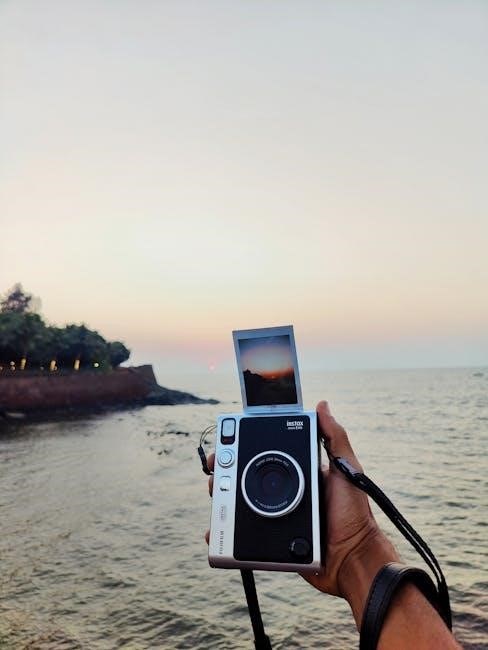
Download the free Polaroid Print App for iOS and Android to unlock enhanced editing features and seamless Bluetooth connectivity for smartphone printing.
Downloading and Installing the App
To fully utilize your Polaroid Snap, download the Polaroid Print App from either the Apple App Store (for iOS devices) or the Google Play Store (for Android). Search for “Polaroid Print” and locate the official app developed by Polaroid.
Tap “Install” or “Get” to begin the download process. Once downloaded, open the app and follow any on-screen prompts to complete the installation and accept the terms of service.
Connecting to the Camera via Bluetooth
Ensure your Polaroid Snap is powered on and in Bluetooth pairing mode – consult the camera’s display for specific instructions. Open the Polaroid Print App on your smartphone and navigate to the “Devices” or “Connect” section.
The app will scan for available devices; select your Polaroid Snap from the list. You may be prompted to enter a pairing code (typically “0000”) to establish a secure connection.
Editing and Printing Photos from Your Smartphone
Within the Polaroid Print App, you can select photos from your smartphone’s gallery or take new ones directly through the app. Utilize the built-in editing tools to apply filters, adjust brightness, contrast, and add stickers or text.
Once satisfied, tap the “Print” icon; the app transmits the image to your Polaroid Snap for instant printing. Preview your edits before finalizing the print!
Camera Settings and Customization
Adjust photo quality, set the correct date and time, and personalize sound settings via the camera’s interface for a tailored shooting experience.
Adjusting Photo Quality
The Polaroid Snap allows for some control over image quality, though options are limited compared to advanced cameras. While not extensively detailed in readily available resources, users can influence the final print through in-app editing within the Polaroid Print App.
This includes brightness, contrast, and saturation adjustments. Experimenting with these settings post-capture can significantly enhance the look of your instant photos. Remember that the ZINK paper also impacts perceived quality.
Setting the Date and Time
Unfortunately, detailed instructions for directly setting the date and time on the Polaroid Snap camera itself are scarce in publicly available documentation. Most users rely on the Polaroid Print App to manage this function.
Connecting the camera via Bluetooth to your smartphone allows synchronization of the date and time, which is then imprinted on your printed photos. Check the app’s settings for this feature.
Sound Settings
Information regarding dedicated sound settings adjustments within the Polaroid Snap camera’s interface is limited. The camera typically emits sounds for shutter operation, low battery warnings, and potentially during Bluetooth pairing.
Control over these sounds appears to be minimal directly on the device; however, the Polaroid Print App might offer some control over notification sounds related to printing or camera connection.

Maintenance and Care
Regularly clean the camera body and store it properly; adhere to ZINK paper storage guidelines to ensure optimal performance and longevity of your Polaroid Snap;
Cleaning the Camera Body
To maintain your Polaroid Snap, gently wipe the exterior with a soft, dry cloth. Avoid using harsh chemicals or abrasive cleaners, as these can damage the finish. For stubborn marks, slightly dampen the cloth with water, ensuring no liquid enters the camera’s openings. Regularly cleaning prevents dust buildup and ensures optimal appearance and functionality. Always power off the device before cleaning, and avoid excessive moisture.
Storing the Camera Properly
When not in use, store your Polaroid Snap in a cool, dry place, away from direct sunlight and extreme temperatures. A protective case is recommended to prevent scratches and dust accumulation. Remove the batteries if storing for extended periods to avoid potential leakage. Ensure the paper tray is empty during long-term storage to maintain ZINK paper quality and prevent potential issues.
ZINK Paper Storage Guidelines
To ensure optimal print quality, store unused ZINK paper in a cool, dry, and dark environment. Avoid exposure to direct sunlight, heat, and humidity, as these can degrade the paper’s properties. Keep the paper sealed in its original packaging until ready for use. Proper storage extends the paper’s shelf life and guarantees vibrant, lasting prints from your Polaroid Snap.
Troubleshooting Common Issues
Common problems include a frozen screen, poor battery life, and blank prints; firmware updates often resolve these issues with your Polaroid Snap.
Camera Freezing/Unresponsive Screen
If your Polaroid Snap’s screen freezes, try a simple reset by holding the power button for an extended period – approximately ten seconds. This often resolves minor software glitches. If the issue persists, consult the user manual for more advanced troubleshooting steps, potentially involving a firmware update. Ensure the camera has sufficient battery power, as low charge can sometimes cause unresponsiveness. Regularly updating the firmware can prevent these occurrences.
Battery Life and Performance
The Polaroid Snap’s battery life varies with usage, but typically allows for numerous prints and photos on a full charge. Frequent printing and app connectivity will naturally reduce battery duration. To optimize performance, fully charge the battery before extended use and store the camera properly when not in use. Refer to the manual for specific battery specifications and charging guidelines.
Firmware Updates
Regularly updating your Polaroid Snap’s firmware is crucial for optimal performance and bug fixes. Check the official Polaroid website for available updates and follow the provided instructions carefully. Firmware updates often address printing issues, improve camera stability, and enhance compatibility with the Polaroid Print App. A successful update ensures a smoother user experience.
Safety Instructions
Always adhere to the provided safety precautions and notes; Polaroid Snap trademarks should be respected during operation and maintenance of the device.
General Safety Precautions
Carefully review all instructions before using the Polaroid Snap. Avoid exposing the camera to extreme temperatures or humidity, as this can cause damage. Do not attempt to disassemble or repair the camera yourself; contact qualified service personnel for assistance. Keep the camera and ZINK paper out of reach of young children.
ZINK Paper Safety
ZINK paper is designed for use specifically with the Polaroid Snap. Avoid touching the shiny, image side of the paper, as fingerprints can affect print quality. Do not ingest or expose ZINK paper to open flames. Store ZINK paper in a cool, dry place, away from direct sunlight, to maintain optimal performance and prevent premature fading.
Technical Specifications
The Polaroid Snap boasts a camera resolution of 10MP, a print resolution of 2×3 inches, and utilizes a rechargeable lithium-ion battery for power.
Camera Resolution
The Polaroid Snap camera features a 10-megapixel sensor, enabling it to capture detailed and vibrant images suitable for instant printing. This resolution strikes a balance between image quality and efficient ZINK paper usage. While not professional-grade, it’s perfectly adequate for fun, spontaneous snapshots and creating memorable keepsakes. The captured images are optimized for the 2×3 inch print format, ensuring clear and colorful results directly from the camera, offering a delightful user experience.
Print Resolution
The Polaroid Snap utilizes ZINK (Zero Ink) technology, delivering a print resolution of 314 x 400 DPI. This resolution provides reasonably sharp and colorful 2×3 inch prints, ideal for sharing and preserving memories. While not comparable to high-end photo printers, it’s sufficient for the instant gratification this camera offers. The ZINK paper’s embedded dye crystals activate during the printing process, creating vibrant images without ink cartridges.
Battery Capacity
The Polaroid Snap is powered by a rechargeable lithium-ion battery. While specific mAh ratings vary slightly between models, it generally supports approximately 20-30 prints on a full charge. Battery life depends on usage, including photo capture, editing within the app, and Bluetooth connectivity. A full recharge typically takes around 2-3 hours using the included USB cable, ensuring continued instant photo fun.

Frequently Asked Questions (FAQ)
ZINK paper isn’t reusable; use only compatible Polaroid ZINK paper for optimal results, ensuring vibrant colors and preventing camera damage—check your manual!
Can I reuse ZINK paper?
Unfortunately, ZINK paper is designed for single use and cannot be reused. The special ink layer is consumed during the printing process, leaving the paper blank after a single print. Attempting to reuse ZINK paper will result in faded or completely blank prints; Always ensure you are using fresh, compatible ZINK paper for the best possible image quality and to avoid potential issues with your Polaroid Snap camera. Refer to your camera’s manual for specific paper recommendations.
What type of ZINK paper should I use?
Your Polaroid Snap requires genuine Polaroid ZINK (Zero Ink) paper for optimal performance. This paper contains embedded dye crystals that activate during the printing process without needing ink cartridges. Using non-Polaroid ZINK paper may damage your camera or produce poor-quality prints. Always check the packaging to confirm it’s official Polaroid ZINK paper, and consult your camera’s manual for compatible sizes and specifications.