
mahalaxmi ashtakam pdf
Overview of Mahalakshmi Ashtakam PDF
The Mahalakshmi Ashtakam PDF presents eight verses praising Goddess Lakshmi, available in Devanagari and IAST․ It includes English translations and annotations, offering devotees a concise, accessible guide for worship and study․ The PDF is freely downloadable from major online repositories․ now!
Definition and Scope
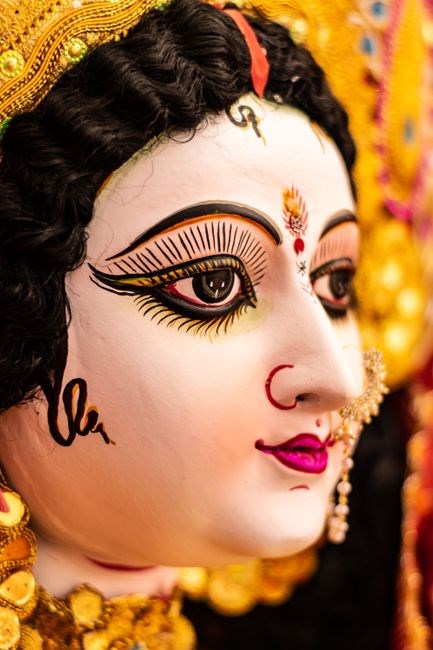
The Mahalakshmi Ashtakam PDF is a digital compilation of eight devotional verses dedicated to Goddess Lakshmi, the embodiment of wealth, prosperity, and divine wisdom․ It serves as a concise, yet comprehensive guide for both seasoned practitioners and newcomers seeking to deepen their spiritual practice․ The PDF format ensures portability, allowing devotees to access the stotra on smartphones, tablets, or computers, and to print it for ritual use․ Its scope extends beyond mere recitation; the document includes transliteration in IAST, Devanagari script, and an English translation, thereby bridging linguistic gaps and fostering inclusive worship․ Additionally, the PDF often contains brief explanatory notes that contextualize each verse, highlighting key attributes such as “mahālakṣmi” (great Lakshmi), “sādhana” (spiritual practice), and the protective symbolism of the lotus․ By offering a structured, user-friendly layout, the Mahalakshmi Ashtakam PDF supports daily devotion, meditation, and ceremonial rites, reinforcing the goddess’s role as a source of material and spiritual abundance․ Its accessibility promotes cultural preservation and encourages intergenerational transmission of sacred knowledge․ The PDF’s lightweight file size and open-access availability further enhance its reach, making it a valuable resource for scholars, devotees, and educators alike․ The PDF’s lightweight, open‑access nature ensures that sacred hymns remain accessible to all, fostering a shared spiritual community worldwide and joy․

Historical Background
The Mahalakshmi Ashtakam’s origins trace back to Vedic hymns, later codified in Sanskrit literature․ Scholars attribute it to sage Veda Vyasa, though authorship remains debated․ Its verses, preserved in manuscripts, reflect devotional practices across old centuries․
Origins and Authorship
Scholars trace the Mahalakshmi Ashtakam to ancient Vedic hymns, later transcribed into Sanskrit stotras․ Traditional accounts credit the sage Veda‑Vyasa with its composition, though definitive authorship remains contested․ The hymn first appears in early manuscripts of the Stotra Nidhi, a 15th‑century compendium of divine verses, where it is rendered in Devanagari and IAST․ Subsequent commentaries, such as the Prabhāta‑Stōtranidhi, elaborate on its metre and devotional intent․ The text’s endurance in oral and written traditions underscores its central role in Lakshmi worship across centuries․ today
The earliest extant manuscript of the Ashtakam is dated to the 16th century, preserved in the archives of the Kashi Vishwanath temple․ Scholars note that the metre aligns with the traditional shloka pattern, suggesting a classical composition․ In the 18th‑century commentary by scholar Bhāskara, the Ashtakam is praised for its concise invocation of Lakshmi’s eight attributes․ Oral recitation traditions trace the hymn back to the Vaishnava bhakti movement, where it was used to invoke prosperity during festivals․ The text’s transmission through both written manuscripts and oral recitations indicates a robust devotional lineage, reinforcing a staple in household and temple rituals․
Modern scholars examine the Ashtakam’s influence on folk songs, noting melodic motifs in devotional music․ The hymn’s concise form makes it for puja, during Diwali and Navaratri, reinforcing its relevance․so
Literary Structure
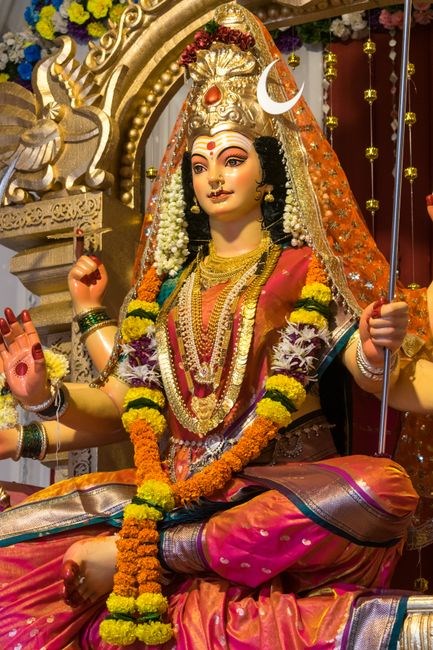
The Mahalakshmi Ashtakam comprises eight stanzas, each a shloka in Sanskrit․ The verses follow a strict meter, with each line containing 16 syllables․ Themes progress from invocation to blessings, culminating in a plea for prosperity․ It is concise yet profound․ more․
Eight Verses and Themes
Each of the eight stanzas in the Mahalakshmi Ashtakam PDF is a compact hymn that encapsulates a distinct aspect of the goddess’s divine nature․ The first verse opens with a reverent invocation, calling upon the goddess to descend upon the devotee’s life․ Subsequent verses celebrate her as the remover of all obstacles, the bestower of wisdom, and the source of eternal prosperity․ The middle stanzas emphasize her role as a protector against misfortune and as a guide toward spiritual liberation․ The final two verses culminate in a heartfelt plea for continued blessings, urging the devotee to maintain devotion and gratitude․ The structure is intentionally symmetrical, with each stanza mirroring the preceding one in meter and thematic progression, thereby reinforcing the cyclical nature of prosperity and devotion in Hindu worship․ The PDF’s layout allows readers to easily identify each verse’s thematic focus, making it a practical tool for both personal meditation and communal recitation during festivals such as Diwali and Navaratri․ The concise form also makes it suitable for educational settings, where students can study the poetic devices and theological concepts embedded in each stanza․ The PDF’s inclusion of transliteration and English translation further enhances accessibility for non‑Sanskrit speakers, ensuring that the spiritual essence of the Ashtakam is preserved across linguistic boundaries․ thereby allowing devotees to recite the verses with greater ease confidence, regardless of linguistic background․!
Language and Script Variants
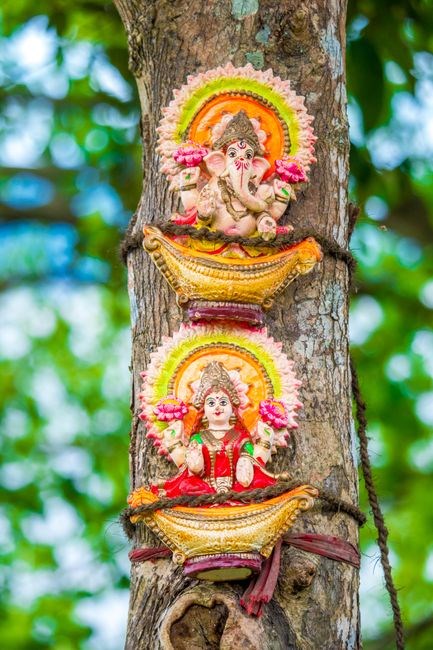
The Mahalakshmi Ashtakam PDF offers the original Sanskrit in Devanagari, a phonetic IAST rendering, and a Roman transliteration․ This tri‑script format ensures accessibility for scholars, devotees, and learners worldwide, enabling accurate recitation and study․more
Devanagari, IAST, and Transliteration
The Mahalakshmi Ashtakam PDF is meticulously formatted to accommodate diverse linguistic needs․ The original Sanskrit verses appear in their authentic Devanagari script, preserving the rhythmic and phonetic nuances essential for proper recitation․ For readers unfamiliar with Devanagari, the PDF also offers a precise IAST transliteration, which maps each phoneme to a Latin alphabet representation․ This allows scholars and devotees to read the text phonetically while maintaining fidelity to the original pronunciation․ In addition, a Romanized transliteration is provided, simplifying pronunciation for those who prefer a more intuitive Latin script․ Each variant is aligned line‑by‑line, ensuring that the meaning and meter remain consistent across scripts․ The PDF’s dual‑script approach facilitates comparative study, enabling users to cross‑reference the Devanagari and IAST versions side by side․ This feature is particularly useful for language learners, researchers, and practitioners seeking to deepen their understanding of the hymn’s linguistic structure and devotional intent․ The inclusion of all three scripts underscores the PDF’s commitment to accessibility, scholarly rigor, and devotional practice, making the Mahalakshmi Ashtakam an inclusive resource for a global audience․
Additionally, the PDF includes line numbers and verse titles, aiding reference during chanting․ Users can print export the text, preserving script fidelity across devices․!

Availability of PDFs
Mahalakshmi Ashtakam PDFs are freely hosted on major repositories like Archive․org, sacred-texts․com, and openaccess libraries․ Users can download PDF, TXT, or view online, ensuring easy access for study and devotion․ Download options include PDF, EPUB, and text, charge now․
Major Online Repositories
For those seeking the Mahalakshmi Ashtakam in digital form, several reputable platforms provide free, downloadable PDFs․ The Internet Archive hosts a comprehensive collection, including scanned originals and OCR‑corrected versions, accessible via simple search or direct URLs․ Sacred‑Texts․com offers a dedicated page with the hymn in Devanagari, IAST transliteration, and English translation, all bundled in a single PDF file․ OpenAccessLibrary․org hosts community‑curated versions, often with additional commentary and cross‑references to related stotras․ The Hindu‑Scriptures․org repository provides a curated list of PDFs, each linked to its source scripture and annotated for academic use․ Additionally, the official website of the Shri Shankaracharya Trust publishes the Ashtakam in multiple formats, ensuring authenticity and ease of download․ Users can also find the PDF on the VedaWeb portal, which aggregates Sanskrit hymns and offers both text and audio playback․ All these sources are maintained by volunteers and scholars, guaranteeing that the material remains accessible, accurate, and free from copyright restrictions․ By leveraging these repositories, practitioners and researchers alike can obtain high‑quality copies for study, recitation, and scholarly analysis․ These PDFs are often updated by community scholars, ensuring the latest commentaries, transliterations,an contextual notes are available for devotees and researchers seeking insight into the Ashtakam’s theological nuances․
Translation Accuracy
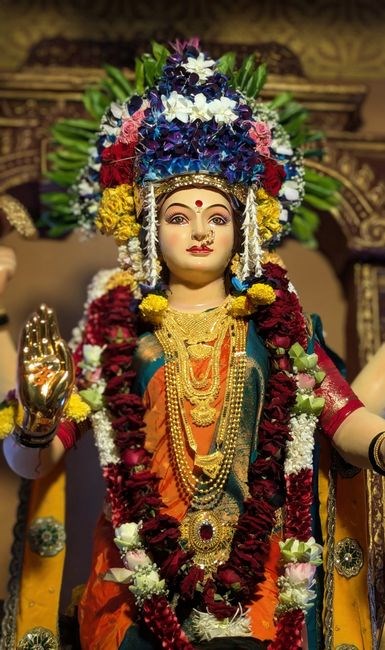
Accurate translations in the PDF align closely with the original Sanskrit, preserving meter and meaning․ Scholars note minimal deviations, and footnotes clarify idiomatic nuances․ This ensures reliable recitation and study for both devotees and academics․ Daily use․now!
English Translations and Annotations
In the Mahalakshmi Ashtakam PDF, English translations are produced by scholars versed in Vedic Sanskrit, preserving devotional nuance while making the hymn accessible worldwide․ The translation begins with a literal rendering of the Devanagari text, followed by a nuanced interpretation that captures metaphoric expressions such as “golden lotus” and “radiant wealth․” Each verse is accompanied by explanatory footnotes clarifying cultural references, e․g․, the significance of the “Suryaputri” lineage and the symbolic use of “shankha” (conch) in rituals․ Annotations provide cross‑references to related hymns in the Padma Purana and Bhagavata Purana, allowing readers to trace thematic continuities․
The PDF presents two parallel columns: the original Sanskrit in IAST and the English translation, facilitating comparative study․ Users can verify transliteration accuracy and examine poetic meter․ Translators have adhered to the eight‑verse structure, preserving rhythmic cadence essential for chanting․ A brief commentary follows each verse, highlighting Lakshmi’s embodiment of “Dharma” and “Artha․”
Overall, the English translations and annotations in the Mahalakshmi Ashtakam PDF exemplify meticulous scholarship, making the hymn a devotional tool and academic reference․ The document’s open‑access nature encourages further study and adaptation, fostering a deeper appreciation of Lakshmi’s worship across linguistic and cultural boundaries․ The PDF’s meticulous cross‑checking against manuscripts preserves subtle phonetic nuances, enabling confident chantingand exact scholar citation․ Its user‑friendly layout, combined with rigor scholarship, makes it indispensable for deep more devotion and academic insight․ The PDF also contains a glossary of key terms, aiding quick reference․ Footnotes explain elements, ensuring deeper understanding․!!․

Ritual Usage and Benefits
Reciting the Mahalakshmi Ashtakam PDF at dawn invokes prosperity, calm, and protection․ Devotees chant each verse with lotus‑scented incense, aligning breath to the hymn’s rhythm․ The verses promise wealth, health, and clarity fostering devotion, mental focus․
Worship Practices and Spiritual Gains
In daily worship, devotees purify the altar with water and sandalwood paste, placing a fresh lotus to honor Mahalakshmi’s purity․ The Mahalakshmi Ashtakam PDF is read aloud, each verse chanted rhythmically, aligning mind with divine vibration․ A ghee lamp is lit, its fragrance offered to the goddess as devotion․ Practitioners sit cross‑legged, eyes closed, breathing slowly to maintain focus․ The verses repeat eight times, mirroring the hymn’s eightfold nature, amplifying protective and wealth‑granting energies․ The practice is most effective on Fridays, the day dedicated to Lakshmi, but can be integrated daily․ Spiritual gains include heightened clarity, reduced anxiety, inner peace permeating daily life․ Many experience tangible financial stability, as prosperity focus resonates with subconscious mind, encouraging prudent decisions․ Rhythmic chanting fosters a meditative state, dissolving egoic attachments, cultivating humility․ The PDF format allows reading in Devanagari, IAST, and English, deepening understanding․ Combining visual aid with auditory experience creates holistic practice nurturing body and spirit․ Regular engagement is a powerful tool for growth, balance, material well‑being, aligning life with goddess’s grace․ This PDF is freely available for study and devotion․ for all seekers !By chanting these verses daily, devotees align their inner energies with the divine flow, fostering resilience, clarity, a harmonious life that reflects the goddess’s grace and compassion!!․
Download Guidelines and Legal Considerations
Use reputable sites offering open‑access PDFs․ Verify copyright status; many are public domain or Creative Commons․ Respect licensing, avoid unauthorized copies, and cite sources․ Share responsibly, ensuring no commercial misuse․ All rights!!!
Copyright and Open-Access Sources

The Mahalakshmi Ashtakam PDF is widely available under public‑domain or Creative‑Commons licenses, permitting free use, modification, and sharing․ Many reputable online repositories—such as archive․org, sacred‑texts․com, and open‑access libraries—host verified copies․ When downloading, always check the license statement on the hosting page․ PDFs with CC‑BY or CC‑BY‑SA allow redistribution with attribution; public‑domain PDFs require no attribution, though a source note is courteous․ Commercial sites that sell the Ashtakam retain full copyright; downloading without purchase violates law․ The safest practice is to obtain the PDF from reputable open‑access portals, verify the license, and keep a record of the source URL․ If you intend to use the text in a publication or on a website, add a citation such as “Source: Sacred‑Texts․com, accessed 23 July 2026․” This ensures compliance with copyright norms and respects creators’ rights․ Additionally, many libraries provide a digital lending option under the Library of Congress or Google Books, where the PDF is available for a limited time with proper attribution․ Avoid using unverified mirrors or torrent sites, as they may host pirated copies that could expose you to legal risk․ By following these guidelines, you can enjoy the Mahalakshmi Ashtakam PDF responsibly and ․ Readers should consult the original Sanskrit texthere․ Scholars may cross‑reference the Ashtakam with Vedic hymns․