proprioception exercises pdf
Understanding Proprioception and Its Role in Movement
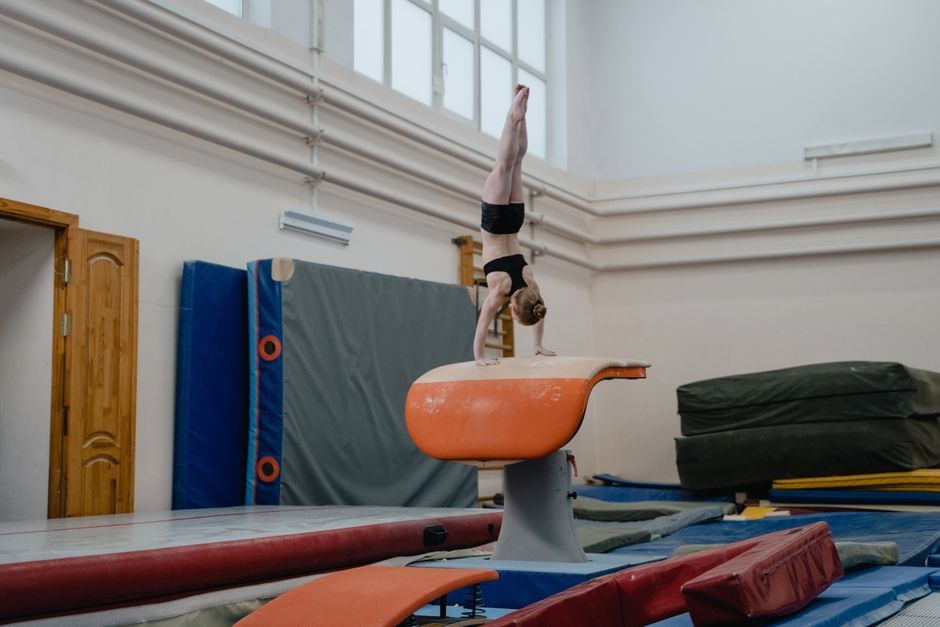
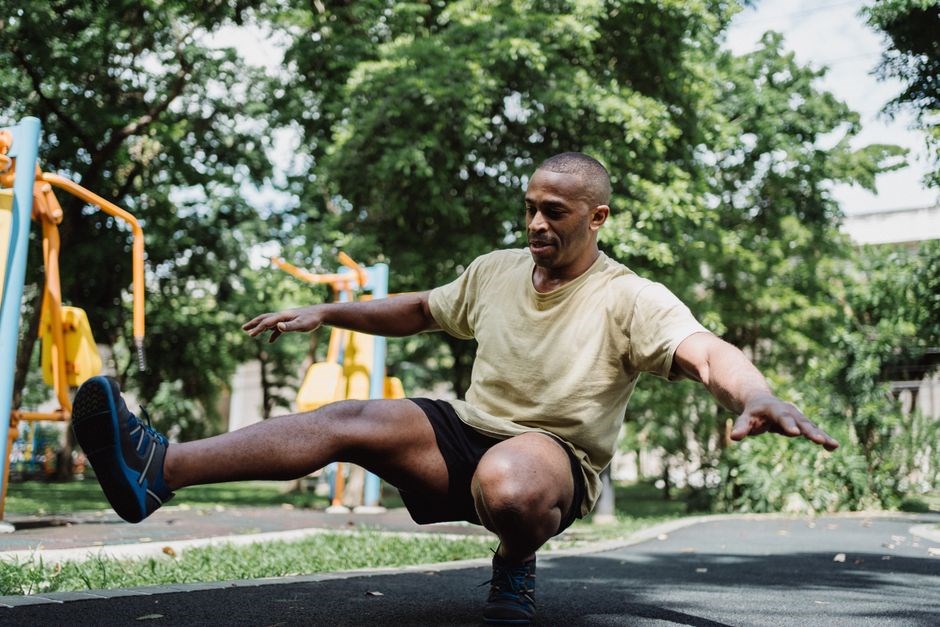
Proprioception is the body’s internal sense of position and motion‚ guiding balance and coordination. PDF guides detail progressive drills—single‑leg stands‚ balance board work‚ dynamic squats—that build awareness‚ improve joint stability‚ and enhance motor control. Daily drills build strength!!
Definition and Sensory Pathways of Proprioception
Proprioception‚ often called kinesthesia‚ is the unconscious awareness of body position‚ movement‚ and force. It originates from specialized mechanoreceptors embedded in muscles‚ tendons‚ and joint capsules; These receptors—muscle spindles‚ Golgi tendon organs‚ and joint‑position sensors—detect stretch‚ tension‚ and relative motion. Signals travel via afferent pathways to the spinal cord‚ ascend through the dorsal column–medial lemniscus system‚ and reach the primary somatosensory cortex in the postcentral gyrus. The cerebellum and basal ganglia also integrate proprioceptive input to fine‑tune motor commands and maintain equilibrium. In proprioceptive exercise PDFs‚ diagrams illustrate how these pathways coordinate to produce smooth‚ coordinated movements‚ and exercises target specific receptors to enhance sensitivity and neural plasticity. By systematically challenging the proprioceptive system—through single‑leg stances‚ unstable surfaces‚ and dynamic squats—athletes and patients can retrain the brain’s internal map‚ leading to improved balance‚ joint stability‚ and injury prevention. The PDF format allows step‑by‑step visual guidance‚ progress tracking‚ and easy adaptation to individual needs‚ making it a valuable tool for clinicians‚ trainers‚ and self‑practitioners seeking to strengthen this critical sensory system. They also feature printable progress charts and expert tips‚ letting users track improvements and tweak difficulty as needed.daily
Proprioceptive Receptors and Neural Feedback
Proprioceptive receptors—muscle spindles‚ Golgi tendon organs‚ and joint capsule mechanoreceptors—send continuous afferent signals to the spinal cord. These signals travel via the dorsal column–medial lemniscus pathway to the primary somatosensory cortex‚ where spatial position is coded. The cerebellum receives parallel inputs to refine timing and force‚ while the basal ganglia modulate movement initiation. Feedback loops adjust motor output in real time‚ creating smooth‚ coordinated motion. PDF exercise guides illustrate receptor activation by visualizing load distribution during single‑leg stances‚ balance‑board work‚ and dynamic squats. Each diagram shows how tension changes in spindles and Golgi organs translate into corrective neural commands. Users can track proprioceptive gains with printable charts‚ noting improvements in joint position sense and reaction latency. By systematically loading specific receptors‚ the nervous system strengthens synaptic efficacy‚ enhancing overall motor control and reducing injury risk. The PDF format allows step‑by‑step progression‚ making complex feedback concepts accessible to clinicians and athletes alike. The PDF format offers step‑by‑step visual guidance‚ printable progress trackers‚ and dosage recommendations that enable practitioners to calibrate load and frequency‚ ensuring progressive overload while minimizing overuse injuries and maximizing functional gains. It yields measurable gainsandsteady progression.
Benefits of Proprioception Training for Athletes and Rehabilitation
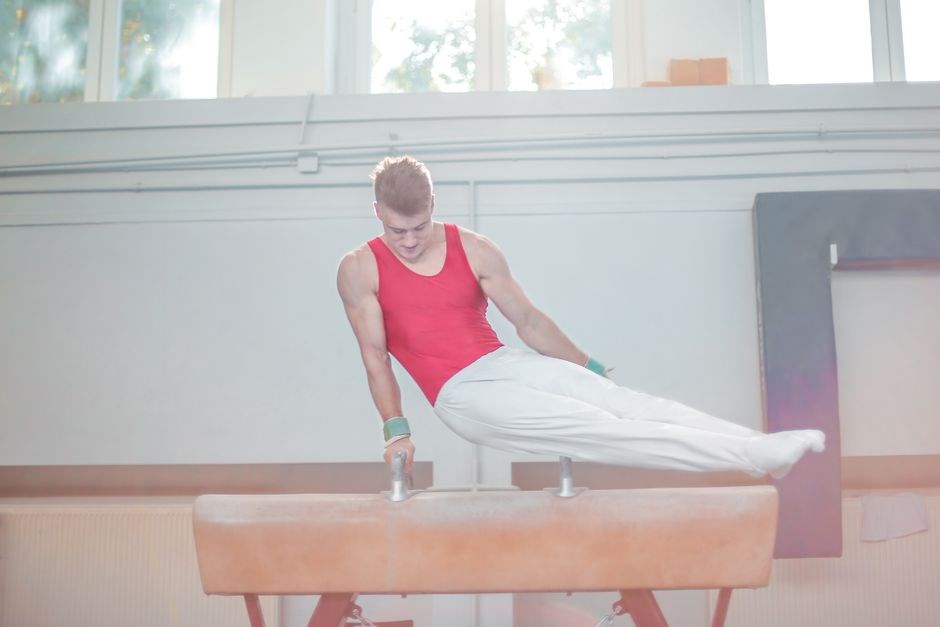
PDF guides show how balance drills enhance joint stability‚ cut injury risk‚and improve neuromuscular control. Athletes gain quicker reactions; rehab patients recover functional movement‚ boosting confidence and performance.
Benefits of Proprioception Training for Athletes and Rehabilitation
Improving Balance and Joint Stability
Proprioceptive training PDFs guide athletes and patients through balance drills that strengthen neuromuscular pathways linking sensory input to motor output. By challenging ankle‚ knee‚ and hip joints on unstable surfaces—wobble boards‚ foam pads‚ single‑leg stances—these guides teach the body to anticipate and correct deviations before instability occurs. The exercises emphasize slow‚ controlled movements that force joint receptors to fire‚ reinforcing the brain’s ability to read proprioceptive signals. Repeated feedback tightens dynamic stabilizers‚ reduces excessive joint motion‚ and improves neutral alignment under load. Athletes benefit from lower sprain rates‚ better agility‚ and quicker recovery from minor injuries. Patients regain confidence‚ experience less pain‚ and return to functional activities with a robust sense of joint position. PDFs also provide progression charts‚ allowing users to track improvements and adjust difficulty‚ ensuring balance training remains challenging and effective throughout recovery or performance cycles.
Dynamic drills such as single‑leg hops‚ lateral shuffles‚ and tandem walking engage proprioceptive pathways in functional contexts. Integrating these into warm‑up routines pre‑activates stabilizing musculature‚ reducing sudden balance loss during high‑intensity play or daily tasks. Instructional diagrams and step‑by‑step descriptions ensure correct execution‚ minimizing compensatory patterns that could undermine joint integrity. Consistent practice yields measurable gains in joint position sense‚ reflected in reduced sway on balance tests and faster reaction times in agility drills.
Progressive terrain exposure—from firm to uneven surfaces—trains the nervous system to adapt quickly‚ fostering resilience against unexpected perturbations. Logging sessions with perceived difficulty and joint discomfort allows personalized adjustments‚ keeping training safe‚ effective‚ and continuously challenging. This structured approach ensures lasting joint stability.!
Enhancing Neuromuscular Coordination
Proprioceptive exercise PDFs guide athletes and patients through coordinated drills that link sensory input to motor output. Single‑leg squats‚ lateral lunges‚ and balance board circuits recruit stabilizers and prime movers simultaneously. Emphasis on controlled tempo‚ deliberate pauses‚ and mirrored movements builds bilateral symmetry. Visual cues and step‑by‑step instructions provide clear feedback. Repeated practice refines internal models‚ reducing latency between perception and action. Athletes gain smoother transitions‚ while patients regain fluid gait. Progression charts scale resistance and instability‚ fostering neuroplasticity. Logging effort and quality helps adjust load‚ preventing overtraining and maintaining optimal stimulus. This synergy enhances performance‚ lowers injury risk‚ and supports joint health.
The PDFs also include sensorimotor drills that challenge the nervous system to integrate visual‚ vestibular‚ and proprioceptive cues. Blindfolded single‑leg hops‚ reactive ball passes‚ and agility ladders force reliance on internal body maps‚ sharpening acuity. Repeated practice develops anticipatory postural adjustments‚ enabling faster‚ accurate responses to perturbations. Guides recommend alternating static and dynamic phases to transfer gains to unpredictable environments. Assessment tools—balance scores‚ reaction time‚ movement quality—quantify progress and tailor training. This evidence‑based method keeps coordination training targeted‚ measurable‚ and progressive‚ translating into higher performance and safer daily movement patterns.
By consistently applying these drills‚ practitioners can observe measurable gains in coordination scores and reduced injury incidence over a few weeks‚ making proprioception PDFs a valuable tool for both elite athletes and everyday fitness enthusiasts. Cheers.
Key Proprioception Exercises Covered in PDF Guides
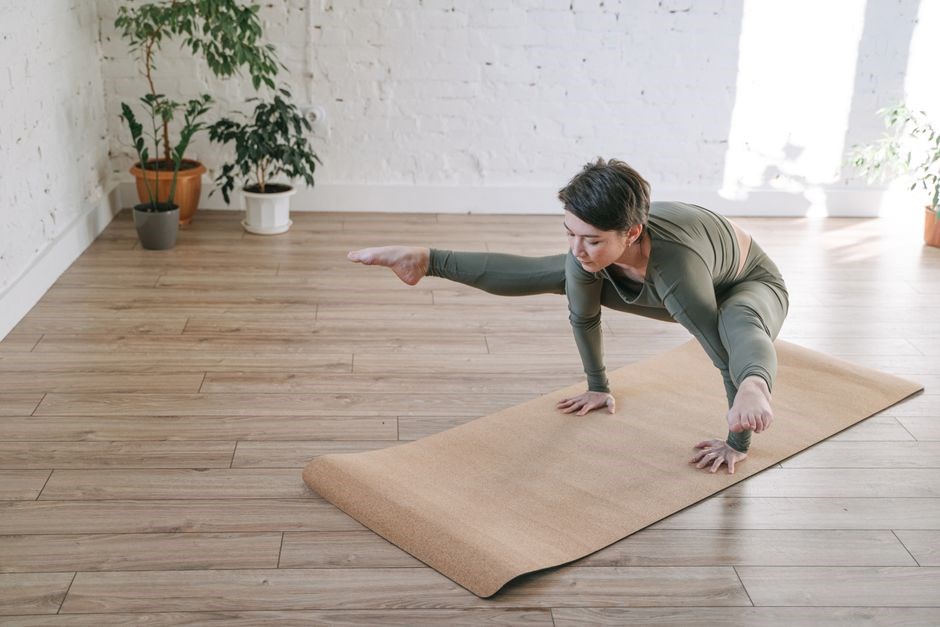
PDF guides feature single‑leg stance‚ balance board drills‚ dynamic squats‚ lunges‚ and reactive ball passes. Each exercise targets joint stability‚ motor planning‚ and sensory feedback. Structured progression charts help track improvements and adjust difficulty. and improve proprioceptive acuity!
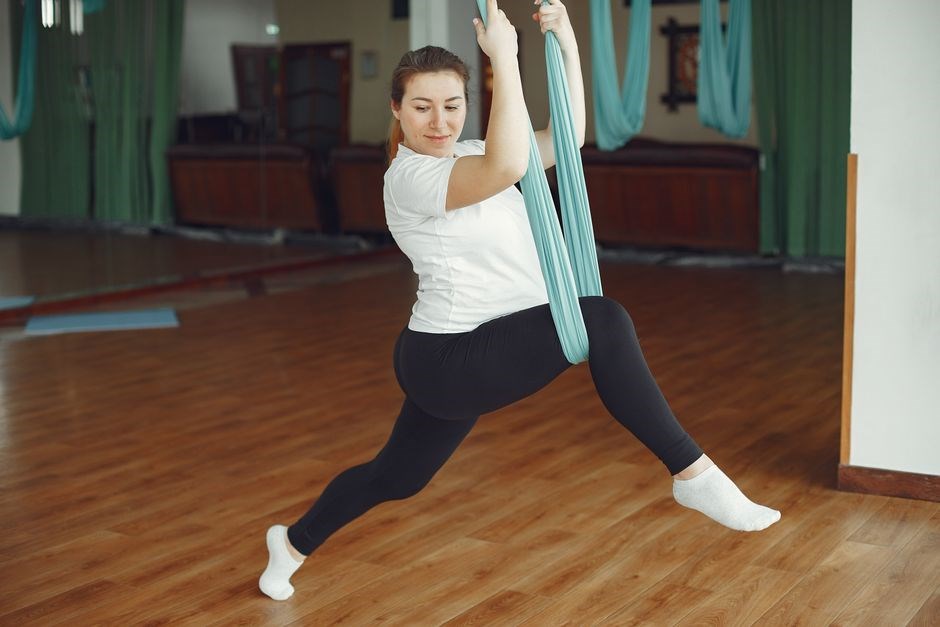
Single‑leg stance and balance board drills are cornerstone exercises in proprioception PDFs. They isolate the ankle‚ knee‚ and hip joints‚ forcing the nervous system to refine sensory feedback loops. A typical progression starts with a stable surface: stand on one foot‚ eyes open‚ for 30 seconds‚ then 45 seconds. As confidence builds‚ shift to a wobble board‚ maintaining balance for 60 seconds. The instability of the board amplifies muscle spindle activity‚ promoting joint position sense. Coaches often add dynamic elements: tap the opposite hand to the head‚ perform a heel‑to‑toe walk‚ or incorporate a light ball pass. These variations challenge the central nervous system to integrate visual‚ vestibular‚ and proprioceptive cues simultaneously. PDF guides provide visual diagrams‚ recommended sets‚ and safety tips—such as using a wall for support during early stages. Tracking progress is simple: record the duration and difficulty level in a log. Over weeks‚ athletes transition from single‑leg stands on firm ground to multi‑directional board work‚ culminating in sport‑specific movements like cutting or jumping. This systematic build‑up not only enhances balance but also reduces injury risk by strengthening stabilizing musculature and improving neuromuscular control. The key is consistency: 3–4 sessions per week‚ gradually increasing time and complexity‚ while monitoring form to prevent compensatory patterns. By integrating these drills into daily routines‚ athletes develop a heightened internal sense of body position‚ translating to smoother‚ more efficient movement patterns on the field or in rehabilitation settings smoo
Dynamic Movements: Squats and Lunges
Dynamic squat and lunge variations are integral to proprioception PDFs‚ offering controlled perturbations that demand continuous joint position feedback. A typical progression starts with a body‑weight squat: feet shoulder‑width apart‚ descend until thighs parallel‚ pause‚ and rise. The PDF recommends 3 sets of 12 reps‚ focusing on a slow eccentric phase to maximize muscle spindle engagement. For lunges‚ begin with a stationary lunge: step forward‚ lower the back knee to a 90° angle‚ and ensure the front knee stays over the ankle. Adding a balance board during the lunge phase introduces an unstable base‚ forcing the nervous system to adjust in real time. Throughout each exercise‚ the PDF stresses maintaining a neutral spine‚ engaging the core‚ and using a mirror or video feedback to correct form. Tracking metrics—repetition count‚ depth‚ and perceived difficulty—helps athletes progress safely while reinforcing the sensory pathways that underpin balance and injury prevention. Consistent practice of these dynamic drills not only sharpens proprioceptive acuity but also translates to improved athletic performance‚ reduced injury risk‚ and faster rehabilitation timelines. By systematically increasing load‚ range of motion‚ and instability‚ athletes can fine‑tune their proprioceptive feedback loops‚ achieving a heightened sense of body awareness that carries over into sport‑specific movements. These drills also enhance core stability‚ as the body must constantly adjust to maintain balance during the movement. By integrating these exercises into a regular routine‚ athletes can develop a more responsive neuromuscular system‚ reducing the likelihood of injury. and improve overall performance!!!??
How to Access and Use Proprioception Exercise PDFs Effectively
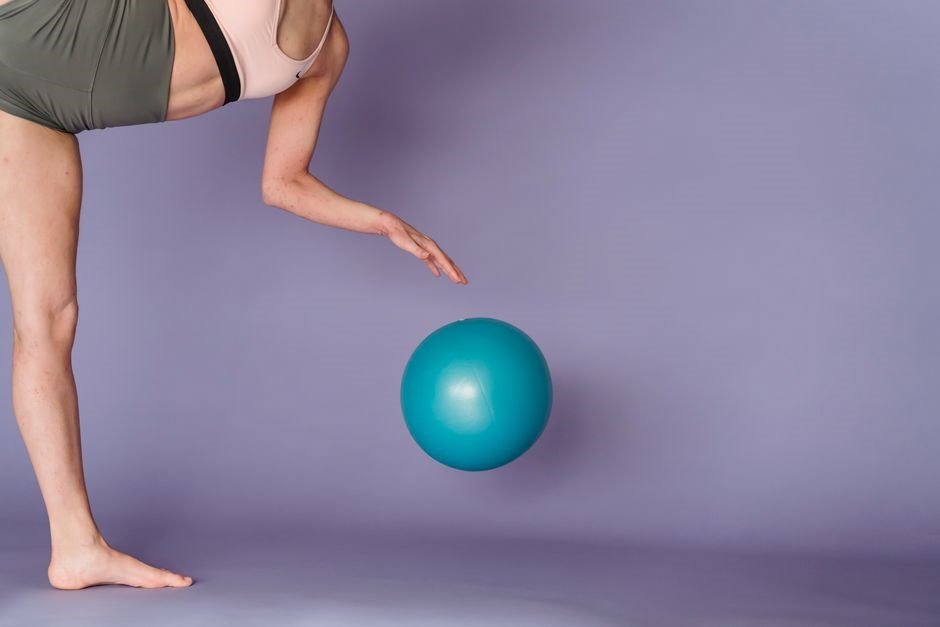
Find reputable sites like ProprioPDFs.org offering free‚ evidence‑based PDFs. Download‚ save to cloud‚ and open with a PDF reader that supports annotations; Use the built‑in zoom to view exercise details‚ then print or mirror for practice. Follow step‑by‑step guide!
Locating High-Quality PDF Resources Online
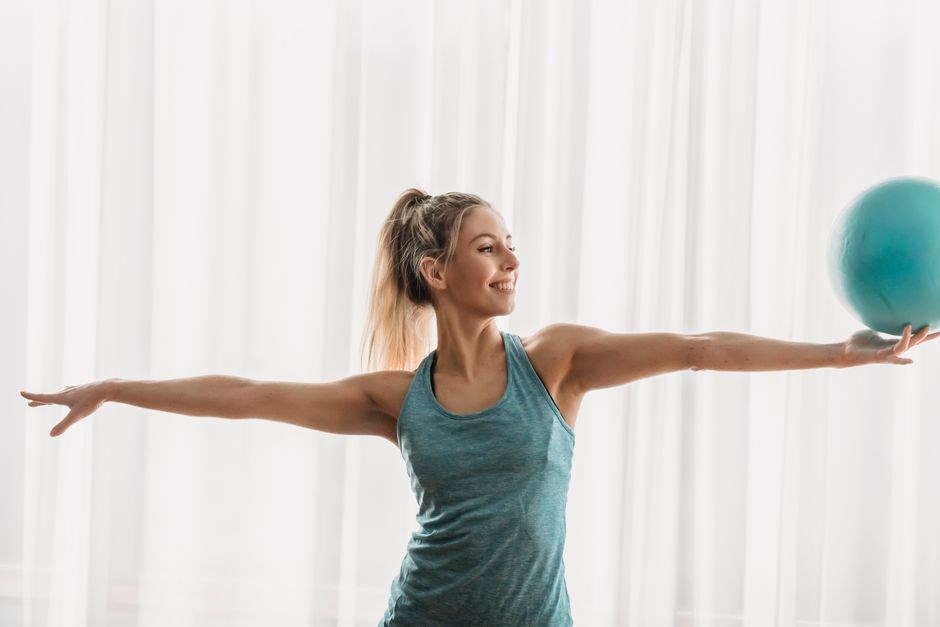
Finding reliable proprioception exercise PDFs starts with reputable academic and professional platforms. Search academic databases such as PubMed‚ Google Scholar‚ and the National Center for Biotechnology Information (NCBI) for peer‑reviewed articles that include downloadable supplements. Professional bodies—American Physical Therapy Association (APTA)‚ International Society for Prosthetics and Orthotics (ISPO)‚ and the Academy of Sports Medicine (ASM)—host free or subscription‑based PDF guides. Search university repositories (e.g.‚ MIT OpenCourseWare‚ Harvard DASH) for curriculum‑level materials. Use advanced search filters: “PDF” + “proprioception” + “exercise” + “clinical” to narrow results. Verify author credentials and publication date; prioritize recent evidence content. Once downloaded‚ use PDF readers that support annotations‚ bookmarks‚ and zoom to study exercise progression and form cues. Organize files in folders labeled by difficulty level or body region for quick reference during training sessions. Explore these PDFs to enhance proprioceptive awareness
Tip: Keep a digital log of each PDF accessed‚ noting the date‚ source‚ and key exercise points. When sharing PDFs with teammates or therapists‚ use cloud services like Google Drive or Dropbox for easy collaboration. Remember to respect copyright by checking the license terms before redistribution. Additionally‚ set a reminder to review your PDFs monthly‚ ensuring the exercises remain challenging and aligned with your fitnessex goals. and progress daily

Formatting PDFs for Mobile and Print Use
When preparing proprioception exercise PDFs for both handheld devices and traditional paper‚ start by selecting a consistent page size—A4 for print‚ 8.5×11 inches for U.S. standards‚ and a 6×9 inch layout for mobile‑friendly viewing. Convert all images to 300 dpi for print clarity‚ but compress to 72 dpi for on‑screen speed‚ using tools like Adobe Acrobat or free online compressors. Embed hyperlinks to video demonstrations‚ ensuring they open in a new tab on mobile browsers. Use PDF/A‑1b standard to guarantee long‑term archival compatibility; this format preserves fonts‚ color profiles‚ metadata. Add bookmarks for each exercise section‚ allowing users to jump directly to “Single‑Leg Stance‚” “Dynamic Squats‚” or “Balance Board Drills.” For print‚ include a clear‚ high‑contrast title page with a QR code that links to the digital version‚ enabling quick access to updates. When exporting‚ choose “Optimize for Print” or “Optimize for Web” settings in Acrobat‚ which automatically adjust compression levels. Finally‚ test the final PDF on multiple devices—iPhone‚ Android‚ Windows tablet—and on a standard printer to ensure text remains legible‚ images stay sharp‚ and navigation links function correctly. This dual‑format strategy maximizes usability for athletes‚ therapists‚ and home users alike.
To further enhance portability‚ consider embedding a small table of contents that lists exercise names and page numbers‚ and use a consistent font Helvetica Neue to keep the document legible across devices
Tips for Incorporating Proprioception Training into Daily Routines
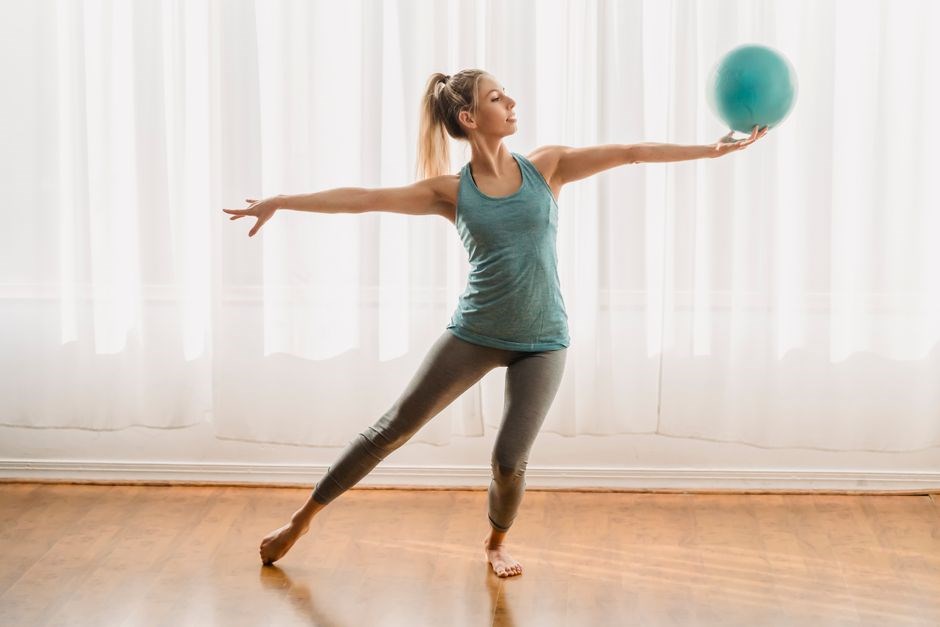
Embed quick balance drills from the PDF into morning stretches: stand on one foot while brushing teeth‚ or do single‑leg squats. Use printable charts for visual cues‚ and log reps in a mobile app to track progress daily today!!.

Daily Warm-Up Routines Incorporating Proprioception
Begin each session with a 5‑minute cardio burst—jumping jacks‚ high knees‚ or a walk to elevate heart rate Transition to dynamic stretches that engage proprioceptive pathways: perform controlled lunges‚ walking toe‑touches‚ and hip‑openers while maintaining a neutral spine. Use a balance board or single‑leg stance for 30 seconds on each leg‚ focusing on subtle shifts in weight distribution. Incorporate PDF‑guided drills such as the “Single‑Leg Squat Ladder” and “Bilateral Heel‑to‑Toe Walk” to reinforce joint position sense. Finish with a 3‑minute cool‑down of gentle mobility work‚ including ankle circles and thoracic rotations‚ while mentally mapping limb positions. Consistently following this routine trains the nervous system to anticipate and correct misalignments‚ improving overall stability and performance.
Integrating proprioceptive cues into everyday tasks amplifies neural adaptation. For instance‚ practice standing on a cushion while brushing teeth‚ or perform single‑leg balance during a phone call. These micro‑sessions reinforce joint awareness without extra time. Additionally‚ use a foam roller to palpate muscle tension‚ then immediately shift weight to feel the proprioceptive feedback loop. Tracking each session in a simple log—date‚ duration‚ perceived difficulty—provides objective data for progressive overload and injury prevention.
Finally‚ schedule a weekly review session where you assess balance scores‚ adjust difficulty‚ and celebrate milestones. Practice yields gains today.
Tracking Progress and Adjusting Difficulty
To maximize gains from proprioception exercises PDFs‚ maintain a structured log that captures session details‚ perceived effort‚ and objective metrics. Record the date‚ exercise name‚ set count‚ and duration. Use a rating scale—1 to 10—to quantify how stable you felt during each movement. When the rating consistently falls below a threshold (e.g.‚ 7)‚ consider increasing load by adding a second set‚ extending hold time‚ or incorporating an unstable surface. Conversely‚ if the rating exceeds 9 and the movement feels effortless‚ introduce a new variable such as a lighter weight‚ a higher range of motion‚ or a faster tempo to sustain challenge. Track progression weekly; a 10‑point improvement over four weeks signals readiness for advanced drills. Employ a visual chart—bar graphs or line plots—to spot trends and plateaus. If a plateau appears‚ vary the exercise order‚ incorporate unilateral work‚ or add a proprioceptive accessory like a BOSU ball. Always reassess after each adjustment‚ ensuring the difficulty aligns with current capability while preventing overreach. Consistent monitoring turns subjective sensation into measurable data‚ guiding safe and effective progression.
Monitoring tools such as a smartphone app or a spreadsheet can log your balance scores‚ highlight trends‚ and flag when a plateau occurs. Adjusting variables—like adding a weighted vest or switching to a BOSU ball—keeps the stimulus progress and prevents adapt fatigue now
Use a logbook to note balance scores daily.!